
Prediabetes can be easy to ignore because, in many cases, it causes no obvious symptoms. You may feel completely healthy while your blood sugar levels are already higher than normal.
Prediabetes means that blood glucose levels are above the normal range but not yet high enough to be diagnosed as type 2 diabetes. It is an important warning stage because the risk of developing type 2 diabetes is higher. However, progression to diabetes is not inevitable. Early detection and appropriate lifestyle changes can help prevent or delay type 2 diabetes.
The key is to recognise your risk early and take action before blood sugar levels rise further.
What Is Prediabetes?
The body uses a hormone called insulin to help glucose move from the bloodstream into cells, where it is used for energy.
In prediabetes, the body may not respond to insulin effectively. Over time, glucose begins to build up in the bloodstream. Blood sugar levels become higher than normal, but they have not yet reached the range used to diagnose type 2 diabetes.
Because prediabetes often develops silently, many people discover it only during a routine health check or blood test.
Are There Warning Signs of Prediabetes?
One of the biggest challenges with prediabetes is that there may be no warning signs at all.
Some people may notice symptoms similar to those associated with diabetes, particularly as blood sugar levels rise. These may include:
- Increased thirst
- Frequent urination
- Unusual tiredness
- Blurred vision
- Unexplained weight changes
However, waiting for symptoms is not a reliable way to detect prediabetes. Regular screening is important, especially if you have risk factors for type 2 diabetes.
Warning Signs That Your Blood Sugar May Be Rising
1. You Feel Thirstier Than Usual
Feeling unusually thirsty even after drinking enough water may be a sign that blood sugar levels are becoming too high.
Persistent excessive thirst should not be ignored, especially when it occurs together with frequent urination.
2. You Are Urinating More Frequently
When blood glucose levels become high, the kidneys may work harder to remove excess glucose from the blood.
Frequent urination, particularly when combined with increased thirst, may be a reason to get your blood sugar checked.
3. You Feel Tired Without a Clear Reason
Everyone feels tired occasionally. But persistent fatigue despite adequate rest may require medical evaluation.
When the body does not use glucose effectively, some people may experience low energy or unusual tiredness.
4. Your Vision Becomes Blurry
Changes in blood sugar levels can sometimes affect vision.
Blurred vision should not automatically be assumed to be caused by diabetes, but when it occurs along with other possible symptoms or risk factors, blood sugar testing may be recommended.
5. You Notice Unexplained Weight Changes
Unexplained weight loss can be a symptom of diabetes and should be medically evaluated.
At the same time, being overweight or having obesity is an important risk factor for developing type 2 diabetes.
Who Is More Likely to Develop Prediabetes?
You may have a higher risk of prediabetes and type 2 diabetes if you:
- Are overweight or have obesity
- Are physically inactive
- Have a family history of type 2 diabetes
- Are aged 35 or older
- Spend long hours sitting
- Have previously been diagnosed with prediabetes
- Have other health conditions associated with a higher risk of diabetes
Having one or more risk factors does not mean that you will definitely develop diabetes. However, it is a good reason to discuss screening with your doctor.
Why Is Prediabetes Important?
Prediabetes should not be dismissed as “slightly high sugar.”
It is a warning that your body may already be having difficulty managing blood glucose properly. Without appropriate changes, the risk of developing type 2 diabetes increases.
The good news is that prediabetes also offers an important opportunity to act early.
Healthy eating, regular physical activity, and modest weight loss when appropriate can significantly lower the risk of developing type 2 diabetes.
How Is Prediabetes Diagnosed?
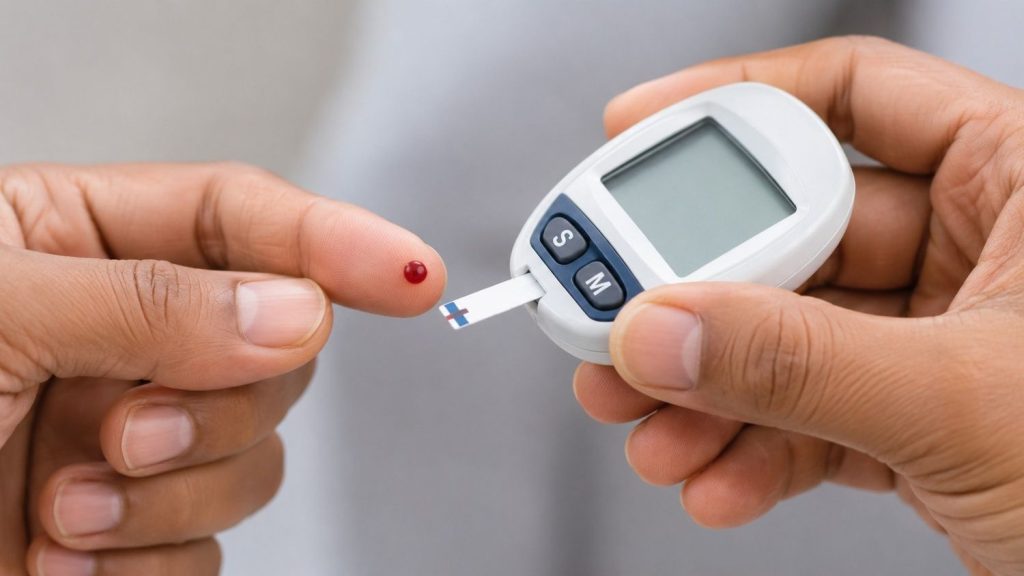
Because prediabetes may not cause symptoms, a blood test is the most reliable way to identify it.
Depending on your health and risk factors, your doctor may recommend tests such as:
Fasting Blood Glucose Test
This measures blood glucose after a period of fasting.
HbA1c Test
The HbA1c test provides information about average blood glucose levels over the previous few months.
Oral Glucose Tolerance Test
This test measures how the body processes glucose over a period of time.
Your doctor will interpret the results based on your overall health, medical history, and other relevant factors. A single abnormal result should always be discussed with a healthcare professional rather than interpreted on your own.
Ways to Prevent or Delay Type 2 Diabetes
Prediabetes is a warning, but it is also a chance to make meaningful changes.
Here are some of the most important steps you can take.
1. Maintain a Healthy Weight
For people who are overweight, even modest weight loss can help reduce the risk of progressing to type 2 diabetes.
You do not need to aim for extreme or rapid weight loss. Sustainable changes are usually more effective than short-term crash diets.
Research-based prevention programmes have shown benefits from modest weight loss combined with regular physical activity.
2. Stay Physically Active
Regular exercise helps the body use insulin more effectively and supports better blood sugar control.
Aim to include activities such as:
- Brisk walking
- Cycling
- Swimming
- Dancing
- Strength training
- Other activities you can maintain consistently
A common prevention goal is at least 150 minutes of moderate physical activity per week, such as about 30 minutes on five days of the week. Start gradually if you are currently inactive or have a medical condition.
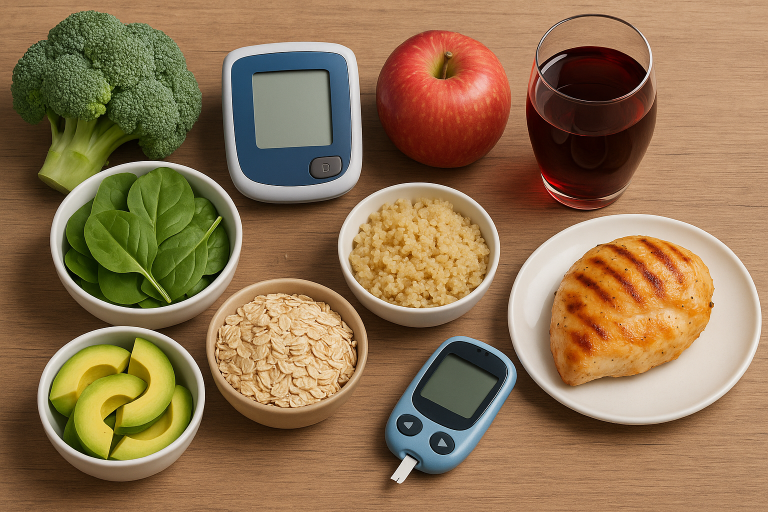
3. Choose More Balanced Meals
Healthy eating does not mean completely avoiding all carbohydrates.
Focus on a balanced eating pattern that includes:
- Vegetables
- Whole grains
- Pulses and legumes
- Appropriate sources of protein
- Fibre-rich foods
- Sensible portion sizes
Try to reduce frequent consumption of:
- Sugary drinks
- Sweets and desserts
- Highly processed foods
- Excessive refined carbohydrates
- Large portions
A diet that works for one person may not be suitable for another. People with prediabetes can benefit from individual guidance based on their weight, lifestyle, medical conditions, and blood test results.
4. Reduce Long Periods of Sitting
You may exercise for 30 minutes a day and still spend most of the remaining day sitting.
Try to:
- Get up regularly
- Walk during short breaks
- Use stairs when possible
- Take short walks after meals
- Add more movement to your daily routine
Small changes performed consistently can contribute to better overall metabolic health.
5. Avoid Sugary Drinks
Soft drinks, sweetened juices, energy drinks, and other sugar-loaded beverages can add a large amount of sugar and calories without making you feel full.
Water is usually the simplest choice for regular hydration.
6. Get Enough Sleep
Poor sleep can make it more difficult to maintain a healthy lifestyle and may affect appetite, energy, and metabolic health.
Try to maintain a regular sleep schedule and seek medical advice if you have persistent sleep problems.
7. Stop Smoking
Smoking increases the risk of several serious health problems.
If you smoke, speak to your doctor about appropriate support to help you quit.
8. Monitor Your Blood Sugar as Advised
Prediabetes should not be diagnosed once and then forgotten.
Your doctor may recommend repeat blood tests based on your:
- Initial test results
- Age
- Weight
- Family history
- Other medical conditions
- Overall risk of developing diabetes
Monitoring helps determine whether your blood sugar is improving, remaining stable, or moving closer to the diabetes range.
Can Prediabetes Be Prevented From Becoming Type 2 Diabetes?
In many people, type 2 diabetes can be prevented or delayed through early, consistent lifestyle changes.
Research shows that losing a modest amount of weight when needed and getting regular physical activity can substantially reduce the risk of progressing to type 2 diabetes.
The important point is to act before diabetes develops.
Prediabetes should not create fear. It should create awareness and encourage action.
Why Regular Health Checks Matter
You may have prediabetes without feeling sick.
That is why regular health screening is particularly important if you:
- Have a family history of diabetes
- Are overweight
- Have a sedentary lifestyle
- Have previously had high blood sugar readings
- Have been told you are at increased risk of diabetes
A simple blood test can help identify rising blood sugar before obvious symptoms develop.
Early detection gives you more time to make changes.
Do Not Wait for Diabetes Symptoms to Appear
Many people get their blood sugar checked only after they develop symptoms.
But prediabetes often has no clear symptoms. By the time increased thirst, frequent urination, fatigue, or other noticeable problems appear, blood sugar may already have risen further.
Do not wait for your body to give you an obvious warning.
If you have risk factors, get screened and understand your numbers.
Conclusion: Prediabetes Is a Warning You Can Act On
Prediabetes means your blood sugar is higher than normal, but it also gives you an important opportunity to act before type 2 diabetes develops.
Healthy eating, regular physical activity, maintaining a healthy weight, reducing long periods of sitting, and monitoring blood sugar can help prevent or delay the progression to type 2 diabetes.
Most importantly, do not rely on symptoms alone. Prediabetes often develops silently, and regular screening can help detect it early.
For prediabetes, high blood sugar, diabetes prevention, or other general health concerns, contact Hande Hospital and consult:
Dr. R. Kannan
MD., (General Medicine), CCEBDM
Consultant General Physician & Diabetologist
Early detection can make a meaningful difference. Get your blood sugar checked, understand your risk, and take the right
📍 Hande Hospital
44, Lakshmi Talkies Road, Shenoy Nagar, Chennai – 600030
📞 98410 11390