

True gynecomastia
Firm glandular tissue develops beneath or around the areola. Weight loss alone may not remove it.
May require gland excisionMale breast reduction and chest contouring
Personal consultation and clinical examination for male breast enlargement, with treatment planned according to the type of tissue, skin quality, general health and individual expectations.
Understanding the condition
Gynecomastia is enlargement of male breast tissue and may affect one or both sides of the chest. It can cause chest fullness, tenderness, discomfort or self-consciousness.
Depending on the tissue present, treatment may involve liposuction, glandular tissue removal or a combination of both. The recommended procedure is decided only after clinical examination.
Dr. Krishna Hande and his surgical team assess the type of tissue, skin quality, general health, medical history and treatment expectations before recommending observation, medical evaluation or surgery.
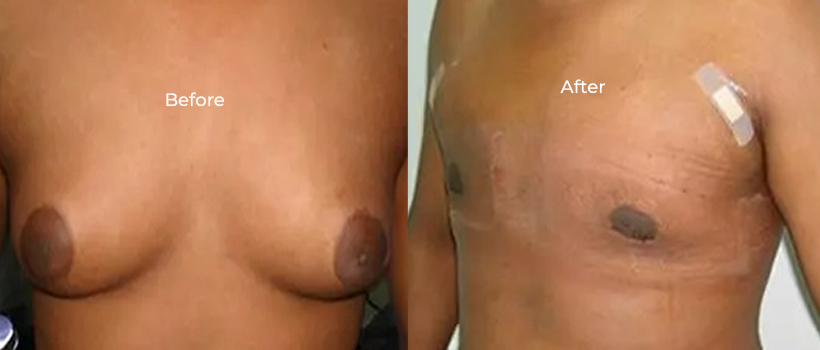
What your consultation assesses
Gland, fat and skinThe tissue contributing to chest enlargement.
Possible underlying causesSymptoms, medicines, hormones and health history.
Suitable treatmentWhether observation, medical review or surgery is appropriate.
The distinction matters
Male chest enlargement can involve gland, fat, loose skin or a combination. Treatment should address the actual tissue present.
Firm glandular tissue develops beneath or around the areola. Weight loss alone may not remove it.
May require gland excisionChest enlargement is mainly caused by fatty tissue without significant glandular growth.
Weight management or liposuction may helpMany patients have both excess fat and glandular tissue, sometimes with loose skin.
A combined surgical plan may be usedWhy it develops
In many adults no single cause is identified, but evaluation helps rule out factors that may need separate treatment.
Puberty, ageing or conditions affecting the balance of testosterone and estrogen.
Some prostate, heart, stomach, psychiatric and hormonal medicines can contribute.
Anabolic steroid use, alcohol and some recreational substances may be associated.
Liver, kidney, thyroid, testicular and other endocrine conditions may require investigation.
Excess fat can enlarge the chest and can also coexist with true glandular gynecomastia.
Persistent gynecomastia can remain unexplained even after appropriate assessment.
Clinical assessment
Surgery may be considered by adults with persistent chest enlargement that has not improved with time or treatment of an underlying cause. Teenagers may require observation because puberty-related gynecomastia can sometimes improve naturally.
The doctor considers the type and amount of tissue, general health, weight stability, skin elasticity, associated medical conditions, medication history and the patient’s expectations. Blood tests, imaging or further medical evaluation may be advised when required.
Surgical planning
Male breast reduction is planned to reduce excess fat, glandular tissue or both. The technique is selected after examination because every patient does not require the same treatment.
The anaesthetic plan is selected according to the procedure and patient assessment.
Liposuction is used when excess fatty tissue is the main cause of chest enlargement.
Firm breast tissue is removed when glandular enlargement is present.
Liposuction and tissue removal may be used together when both fat and gland are present.
Patients may be advised to complete medical tests or follow instructions relating to food, medicines, smoking and alcohol. The team explains anaesthesia, incision placement, recovery and aftercare before surgery.
Cost depends on the amount and type of tissue, whether liposuction or gland removal is required, anaesthesia, investigations and postoperative care. An accurate estimate is provided after consultation and examination.
After surgery
Some swelling, bruising and soreness may occur during the initial recovery period. A compression garment may be recommended to support the chest while it heals.
The time needed to return to work, exercise and other activities depends on the procedure and individual recovery. Patients should follow postoperative instructions and attend recommended follow-up visits.
Rest, light walking, prescribed medicines and wound care.
Return to lighter work depends on comfort, occupation and surgical advice.
Activity and exercise are gradually increased after surgical review.
Swelling reduces and scars continue to mature; final contour takes time.
Expected results and informed consent
Surgery is intended to improve the appearance and contour of the male chest. Results depend on tissue type, skin quality, healing and the procedure performed. Dr. Krishna Hande explains the relevant risks and recovery expectations during consultation.
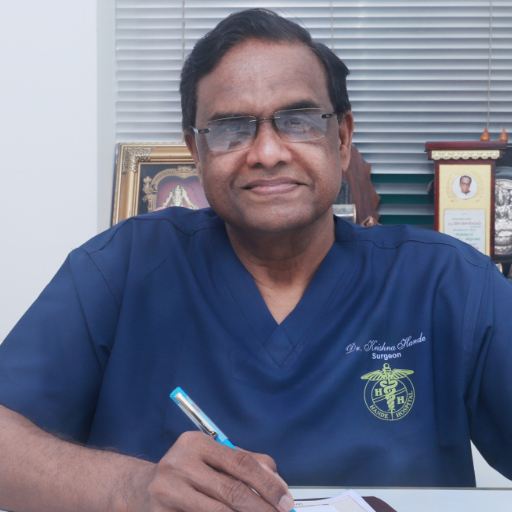
Consultation with Dr. Krishna Hande
MS, FRCS (Edin), MCh (Plastic Surgery), FMMC
Dr. Krishna Hande is a General, Plastic and Cosmetic Surgeon at Hande Hospital and Hande Medical Centre. His areas of practice include gynecomastia correction, liposuction, abdominal contouring, hair transplantation, and general and cosmetic surgery. During consultation, he and his team discuss the patient’s concerns, medical history, desired outcome, recommended procedure, preparation, recovery and follow-up care.
Common questions
This information provides general awareness. Treatment recommendations and recovery depend on individual clinical evaluation.
Gynecomastia is the enlargement of male breast tissue. It may involve glandular tissue, excess fat or both.
Liposuction may be suitable when excess fat is the main cause of chest enlargement. Firm glandular tissue may require removal, and some patients may need a combination of both techniques.
Gynecomastia treatment is led by Dr. Krishna Hande, MS, FRCS (Edin), MCh (Plastic Surgery), FMMC, with support from the Hande Hospital surgical and medical team.
Recovery varies according to the procedure and the individual patient. The surgical team will advise when work, exercise and other activities can be resumed.
The removed tissue does not usually return. However, significant weight changes, hormonal conditions, certain medicines or anabolic steroid use may affect the chest in the future.
All surgical procedures can leave scars. The incision location depends on the technique used, and scar appearance varies according to individual healing. The surgeon will explain this during consultation.
Some patients may require blood tests, imaging or other medical evaluation before treatment. The required investigations depend on the patient’s symptoms and examination findings.
Adults with persistent chest enlargement that has not improved with time or treatment of an underlying cause may be assessed for surgery. General health, weight stability, skin elasticity, medicines and expectations are considered before treatment is recommended.
Consult a gynecomastia surgeon in Chennai
Meet Dr. Krishna Hande and the Hande Hospital surgical team to understand whether observation, medical evaluation or gynecomastia surgery may be appropriate.