Colonoscopy After 45: Why Colorectal Cancer Screening Matters
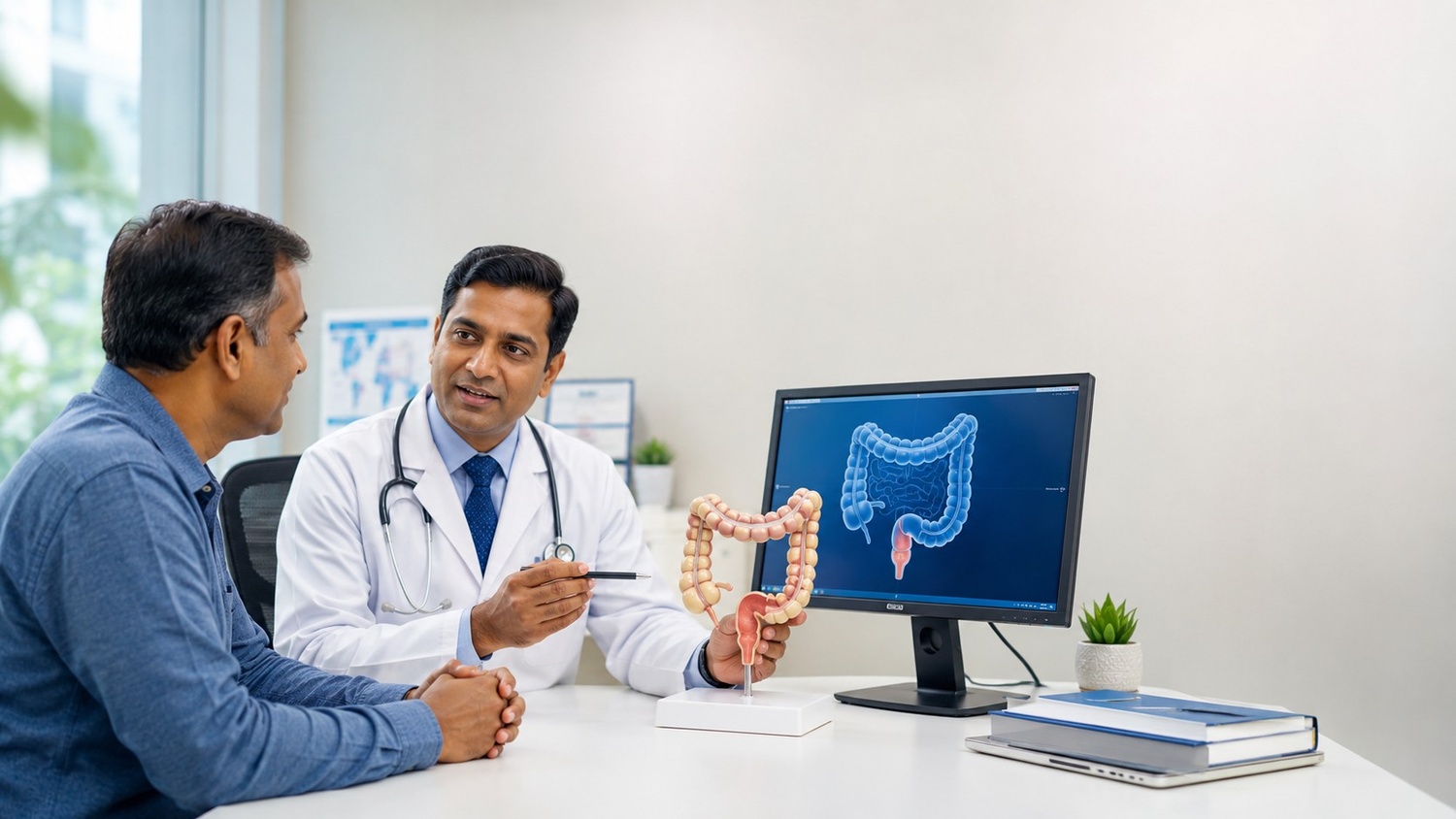
Turning 45 is an important milestone for your digestive health. Even when you feel completely well and have no bowel-related symptoms, it may be time to speak with a gastroenterologist about colorectal cancer screening.
Colorectal cancer develops in the colon or rectum and often begins as a small abnormal growth called a polyp. Some polyps can gradually become cancerous, but they can often be detected and removed during screening before cancer develops.
Major screening guidelines recommend that adults at average risk begin regular colorectal cancer screening at the age of 45. People with certain risk factors may need to start even earlier.
Why Should Colorectal Cancer Screening Begin at 45?
Colorectal cancer was previously considered a condition that mainly affected people over 50. However, cases have increasingly been reported among younger adults, leading major medical organisations to lower the recommended starting age for average-risk screening from 50 to 45.
The most important reason to begin screening at 45 is that colorectal cancer may not cause noticeable symptoms during its early stages. Waiting for bleeding, pain or changes in bowel habits could allow an abnormal growth to become more advanced before it is detected.
Screening provides an opportunity to:
- Find precancerous polyps before they become cancerous
- Remove certain polyps during the same procedure
- Detect colorectal cancer at an earlier stage
- Begin treatment before the disease causes significant symptoms
- Reduce the risk of serious complications
Routine screening can help prevent colorectal cancer by identifying and removing abnormal growths and can also detect cancer when treatment is more likely to be effective.
What Is a Colonoscopy?
A colonoscopy is a procedure used to examine the inside of the rectum and the entire colon. During the procedure, a gastroenterologist passes a long, thin and flexible tube fitted with a camera through the rectum.
The camera allows the doctor to inspect the lining of the colon for:
- Polyps
- Abnormal tissue
- Inflammation
- Bleeding
- Ulcers
- Tumours
- Other changes affecting the large intestine
One of the main advantages of a colonoscopy is that the doctor can remove many polyps during the examination. Tissue samples may also be collected for laboratory testing when an abnormal area is identified.
Is Colonoscopy the Only Screening Option?
Colonoscopy is one of several available colorectal cancer screening methods. Other options may include stool-based tests, flexible sigmoidoscopy and CT colonography.
However, an abnormal result from many non-colonoscopy screening tests must be followed by a colonoscopy to complete the screening process.
Colonoscopy is often recommended because it allows the doctor to examine the entire colon and remove suspicious polyps during the same procedure.
For an average-risk adult whose colonoscopy result is normal, screening colonoscopy may commonly be repeated every 10 years. The appropriate interval may be shorter when polyps are found or when a person has additional risk factors.
Your gastroenterologist can help determine which screening test and schedule are most appropriate for you.
Who Is Considered at Average Risk?
A person may generally be considered at average risk when they:
- Have no previous colorectal cancer diagnosis
- Have no history of precancerous colorectal polyps
- Do not have inflammatory bowel disease
- Do not have a known inherited colorectal cancer syndrome
- Do not have a strong family history that places them in a higher-risk category
Average-risk adults are generally advised to begin regular screening at 45 and continue through 75. Screening after 75 is usually considered individually according to overall health, previous screening results and expected benefit.
Who May Need Screening Before 45?
Not everyone should wait until 45. Earlier or more frequent screening may be recommended for people with a higher risk of colorectal cancer.
Speak with a gastroenterologist before the age of 45 if you have:
A Family History of Colorectal Cancer
Your risk may be higher when a parent, sibling or child has been diagnosed with colorectal cancer, particularly when the diagnosis occurred at a younger age.
A Personal History of Polyps
People who have previously had certain colorectal polyps may need follow-up colonoscopies at shorter intervals.
Inflammatory Bowel Disease
Long-term ulcerative colitis or Crohn’s disease affecting the colon may increase colorectal cancer risk and require a personalised screening schedule.
An Inherited Cancer Syndrome
Conditions such as Lynch syndrome and familial adenomatous polyposis can significantly increase the lifetime risk of colorectal cancer. People with these conditions may need screening much earlier and more frequently.
Previous Colorectal Cancer
Patients who have previously received treatment for colorectal cancer require continued surveillance based on their specialist’s recommendations.
People with a family history, inflammatory bowel disease or an inherited genetic syndrome may need to begin screening earlier than the general population.
Do Not Wait for Symptoms to Get Screened
Screening is intended for people who do not currently have symptoms. A person can have polyps or early colorectal cancer while feeling completely healthy.
However, you should consult a doctor promptly if you experience:
- Blood in the stool
- Black or unusually dark stools
- A persistent change in bowel habits
- Ongoing constipation or diarrhoea
- A feeling that the bowel has not emptied completely
- Unexplained abdominal pain or cramping
- Unexplained weight loss
- Persistent weakness or tiredness
- Iron-deficiency anaemia
- Narrower-than-usual stools
These symptoms do not always mean cancer. They may also occur because of haemorrhoids, infections, inflammatory bowel conditions or other digestive problems. Nevertheless, they should be medically evaluated rather than ignored.
When symptoms are present, colonoscopy may be performed as a diagnostic investigation rather than as routine screening.
How Should You Prepare for a Colonoscopy?
The colon must be properly cleaned before the procedure so that the doctor can clearly examine its lining. Your healthcare team will provide specific preparation instructions.
Preparation may include:
- Following a temporary low-fibre or clear-liquid diet
- Taking a prescribed bowel-cleansing medicine
- Avoiding solid food for a specified period
- Informing the doctor about all current medicines
- Discussing blood thinners, diabetes medicines and supplements
- Arranging for someone to accompany you home when sedation is used
The bowel-cleansing medicine causes frequent loose stools, so it is important to remain close to a bathroom and complete the preparation exactly as instructed. An incomplete bowel preparation can make abnormalities harder to see and may require the procedure to be repeated.
Do not stop any prescribed medicine unless your doctor specifically advises you to do so.
What Happens During the Procedure?
Before the procedure, the medical team will review your health history and preparation. Sedation or other medication may be provided according to the planned procedure and your medical needs.
During the colonoscopy, the gastroenterologist gently guides the colonoscope through the rectum and colon. Images from the camera are displayed on a monitor, allowing the doctor to inspect the bowel lining.
When a polyp or suspicious area is found, the doctor may:
- Remove the polyp
- Take a small tissue sample
- Control an area of bleeding
- Mark an abnormal area for further treatment
Removed tissue is generally sent to a laboratory for examination.
Is a Colonoscopy Safe?
Colonoscopy is a commonly performed procedure, but like any medical procedure, it has potential risks. These can include bleeding, a perforation or tear in the colon, a reaction to sedation and severe abdominal pain.
Your doctor will assess your health, medicines and individual risk before recommending the procedure. You should follow all preparation and aftercare instructions carefully.
Seek immediate medical attention after a colonoscopy if you develop severe or worsening abdominal pain, heavy rectal bleeding, fever, breathing difficulty, dizziness or persistent vomiting.
What Happens If a Polyp Is Found?
Finding a polyp does not automatically mean that you have cancer. Many colorectal polyps are non-cancerous, but certain types can develop into cancer over time.
The polyp may be removed during the colonoscopy and examined under a microscope. The laboratory findings help the doctor determine:
- What type of polyp it was
- Whether it contained abnormal or cancerous cells
- Whether it was completely removed
- When the next colonoscopy should be performed
The recommended follow-up interval depends on the number, size and type of polyps found, as well as the quality of the bowel preparation and your personal risk factors.
A Normal Result Does Not Mean Screening Is Finished Forever
A normal colonoscopy is reassuring, but colorectal cancer screening is not necessarily a one-time test. New polyps may develop over time.
For average-risk individuals with a normal examination, the next colonoscopy may be recommended after 10 years. A shorter interval may be advised when there is a history of polyps, inadequate bowel preparation, inflammatory bowel disease or a strong family history.
Following the schedule recommended by your gastroenterologist is essential for continued protection.
Take the First Step Towards Colorectal Cancer Prevention
Reaching the age of 45 is an important reminder to discuss colorectal cancer screening—even when you have no symptoms. Colonoscopy can identify abnormal growths, remove certain polyps before they become cancerous and detect colorectal cancer at an earlier and potentially more treatable stage.
People with a family history of colorectal cancer, previous polyps, inflammatory bowel disease or inherited cancer syndromes should speak with a specialist because screening may need to begin before 45.
For colorectal cancer screening, digestive symptoms or guidance regarding colonoscopy, consult Dr. Ganesh, Gastroenterologist, at Hande Hospital. He can assess your medical history, individual risk factors and symptoms to recommend an appropriate screening plan.
📍 Hande Hospital
44, Lakshmi Talkies Road,
Shenoy Nagar, Chennai – 600030
📞 For appointments, call: 98410 11390
This article is intended for general educational purposes and should not replace an examination, diagnosis or personalised screening advice from a qualified medical professional.