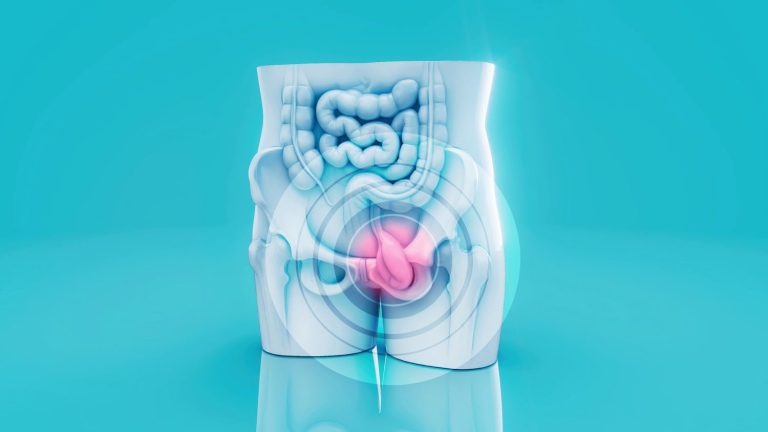


Period pain is common, but pain that repeatedly affects your work, studies, sleep or everyday activities should not simply be accepted as normal. Severe or worsening menstrual pain may be a sign of endometriosis, particularly when it occurs with pelvic pain, painful intercourse, bowel or urinary discomfort, heavy bleeding or difficulty becoming pregnant.
Endometriosis is a chronic condition that can affect physical health, fertility and emotional well-being. Recognising its symptoms and seeking timely medical advice can support earlier diagnosis and better symptom management.
What Is Endometriosis?
Endometriosis occurs when tissue similar to the lining inside the uterus grows outside it. This tissue is commonly found around the:
- Ovaries
- Fallopian tubes
- Outer surface of the uterus
- Pelvic lining
- Bowel or bladder
This tissue responds to hormonal changes during the menstrual cycle. It can become inflamed and cause pain, adhesions or scar tissue. Endometriosis affecting the ovaries may also lead to blood-filled cysts known as endometriomas.
The condition affects each person differently. Some women experience severe symptoms, while others may have few noticeable signs.
When Is Period Pain Not Normal?
Mild cramps during the first few days of menstruation can be common. However, period pain should be evaluated when it:
- Regularly prevents you from attending work or college
- Does not improve adequately with usual pain-relief measures
- Becomes more severe over time
- Begins before the period and continues afterwards
- Causes nausea, vomiting, dizziness or fainting
- Interferes with sleep or routine activities
- Occurs with pain during intercourse, urination or bowel movements
Pain that consistently disrupts normal life deserves medical attention, even if friends or family members consider it a normal part of menstruation.
Women experiencing severe or recurring menstrual pain can seek evaluation through the Obstetrics and Gynaecology department at Hande Hospital.
Signs of Endometriosis That Should Not Be Ignored
1. Severe Menstrual Cramps
Endometriosis-related pain may be much stronger than ordinary menstrual cramps. It can begin several days before menstruation, continue throughout the period and sometimes remain after the bleeding has stopped.
2. Persistent Pelvic Pain
Some women experience pelvic, abdominal or lower-back pain at different times of the month—not only during menstruation. Persistent or recurring pelvic pain should be discussed with a gynaecologist.
3. Pain During or After Intercourse
Deep pain during or after sexual intercourse can occur when endometriosis affects tissues behind the uterus or other structures within the pelvis.
4. Painful Bowel Movements
Pain while passing stools, especially during menstruation, may be associated with endometriosis near the bowel. Some women may also experience constipation, diarrhoea, bloating or nausea around their periods.
5. Pain or Discomfort While Urinating
Painful urination, frequent urination or blood in the urine during menstruation requires medical evaluation. Although these symptoms can have other causes, they may occasionally be associated with endometriosis affecting the urinary system.
6. Heavy or Irregular Bleeding
Endometriosis may be associated with heavy periods, prolonged bleeding or spotting between periods. Heavy blood loss can also contribute to iron deficiency, tiredness and weakness.
7. Difficulty Becoming Pregnant
Endometriosis may affect the ovaries, fallopian tubes and surrounding pelvic structures, potentially making conception more difficult. In some women, the condition is first identified during an infertility assessment.
8. Ongoing Fatigue
Chronic pain, disturbed sleep, inflammation and heavy bleeding can contribute to persistent tiredness. Fatigue should not be dismissed when it occurs with other possible endometriosis symptoms.
9. Abdominal Bloating
Some women notice significant bloating, tightness or swelling around the abdomen, particularly before or during their periods. This symptom can resemble common digestive discomfort but may require evaluation when it is recurring or severe.
What Causes Endometriosis?
The exact cause of endometriosis is not fully understood. Several possible contributing factors have been studied, including:
- Menstrual blood flowing backwards through the fallopian tubes
- Genetic or family-related factors
- Immune-system changes
- Hormonal influences
- Movement of endometrial-like cells through blood vessels or the lymphatic system
- Changes in cells lining the pelvic cavity
A family history of endometriosis may increase the likelihood of developing the condition. However, endometriosis can also occur without any known family history.
Why Can Diagnosis Take Time?
Endometriosis symptoms can resemble several other conditions, including ovarian cysts, pelvic infections, fibroids, irritable bowel syndrome and urinary problems. Symptoms also vary considerably between patients.
Additionally, the intensity of pain does not always reflect the extent of the condition. Someone with mild endometriosis may have severe pain, while another person with more extensive disease may experience fewer symptoms.
Keeping a record of pain, bleeding, digestive changes and other symptoms throughout the menstrual cycle can help the doctor understand the pattern.
How Is Endometriosis Diagnosed?
A gynaecologist may begin by reviewing the patient’s menstrual history, pain pattern, family history and fertility concerns.
The evaluation may include:
Pelvic Examination
The doctor may examine the abdomen and pelvic region for tenderness, cysts or other changes.
Ultrasound Scan
An abdominal or transvaginal ultrasound may help identify ovarian cysts associated with endometriosis. However, a normal ultrasound does not always exclude the condition.
MRI Scan
MRI may be recommended when the doctor needs more detailed information, particularly if deep endometriosis is suspected.
Laparoscopy
Laparoscopy is a minimally invasive surgical procedure in which a small camera is inserted through a tiny abdominal incision. It allows the surgeon to examine the pelvic organs and confirm endometriosis. In selected cases, affected tissue may also be treated during the procedure.
Further tests are chosen according to the symptoms and clinical findings.
How Is Endometriosis Treated?
There is currently no single treatment that permanently cures endometriosis. However, treatment can help manage pain, improve daily functioning and address fertility-related concerns.
The most suitable option depends on:
- Severity and location of symptoms
- Patient’s age and general health
- Previous treatments
- Whether pregnancy is currently desired
- Presence of ovarian cysts or adhesions
- Effect of symptoms on everyday life
Pain-Relief Medication
A doctor may recommend appropriate pain-relief or anti-inflammatory medication. Medicines should be taken only according to medical advice, especially when required frequently.
Hormonal Treatment
Hormonal medicines may help reduce or temporarily stop menstruation, easing pain and slowing the activity of endometriosis. Options can include oral contraceptive pills, progestogen-based treatments or other hormone-regulating medicines.
Hormonal treatment is not normally suitable while actively trying to become pregnant, so fertility plans should be discussed with the doctor.
Laparoscopic Surgery
Surgery may be considered when symptoms are severe, medicines do not provide adequate relief, ovarian endometriomas are present or fertility is affected.
During laparoscopic surgery, the surgeon may remove or destroy visible endometriosis tissue, treat ovarian cysts and release adhesions. Surgery is not necessary for every patient, and symptoms can sometimes return. Its potential benefits, limitations and risks should be discussed individually.
Learn more about laparoscopic surgery at Hande Hospital.
Fertility Support
Women experiencing difficulty becoming pregnant may be referred for fertility evaluation. Management depends on factors such as age, ovarian function, location of endometriosis and the health of the fallopian tubes.
When Should You Consult a Gynaecologist?
Arrange a consultation if you experience:
- Period pain that disrupts your normal activities
- Pain that is becoming progressively worse
- Persistent pelvic or lower-back pain
- Pain during or after intercourse
- Painful bowel movements or urination during periods
- Heavy or prolonged menstrual bleeding
- Ongoing bloating, weakness or fatigue
- Difficulty becoming pregnant
- Symptoms that continue despite medication
Early evaluation does not necessarily mean that surgery will be required. It provides an opportunity to identify the cause and develop an appropriate treatment plan.
Conclusion
Severe period pain should not be normalised when it repeatedly interferes with everyday life. Endometriosis can present through painful periods, persistent pelvic pain, painful intercourse, bowel or urinary symptoms, heavy bleeding and fertility difficulties. A timely gynaecological consultation can help assess these symptoms and determine suitable investigations and treatment.
For evaluation and personalised guidance, consult:
Dr. Arthi Venkatesh
DGO., DNB (O&G)
Obstetrician & Gynaecologist
Hande Hospital, Chennai
For appointments:
Hande Hospital
44, Lakshmi Talkies Road, Shenoy Nagar, Chennai – 600 030
Phone: +91 98410 11390
Hande Medical Centre
65, Nungambakkam, Chennai – 600 034
Phone: +91 99625 22667
Email: handehospital@yahoo.com
Website: www.handehospital.org
Contact: Book an appointment or contact Hande Hospital
This article is intended for general awareness and should not replace consultation with a qualified medical professional.