
Most of us have had a cough that dragged on for a week or two. Usually it settles and we move on. But every now and then a chest infection goes deeper than the nose and throat and settles in the lungs. That is pneumonia, and it is worth taking seriously, especially in young children, older people and anyone living with a long-term condition.
With chest infections rising in the cooler months and World Pneumonia Day on 12 November, here is a plain guide to what pneumonia looks like, who needs to be extra careful, and when it is time to see a doctor.
What is pneumonia?
Pneumonia is an infection of the lungs. The tiny air sacs inside them become inflamed and can fill with fluid or pus, which makes it harder for oxygen to reach your blood. Bacteria are a common cause, but viruses (including the flu virus) and, less often, fungi can cause it too. It can be mild enough to manage at home or serious enough to need hospital care, and you cannot tell which from the outside.
Symptoms to watch for
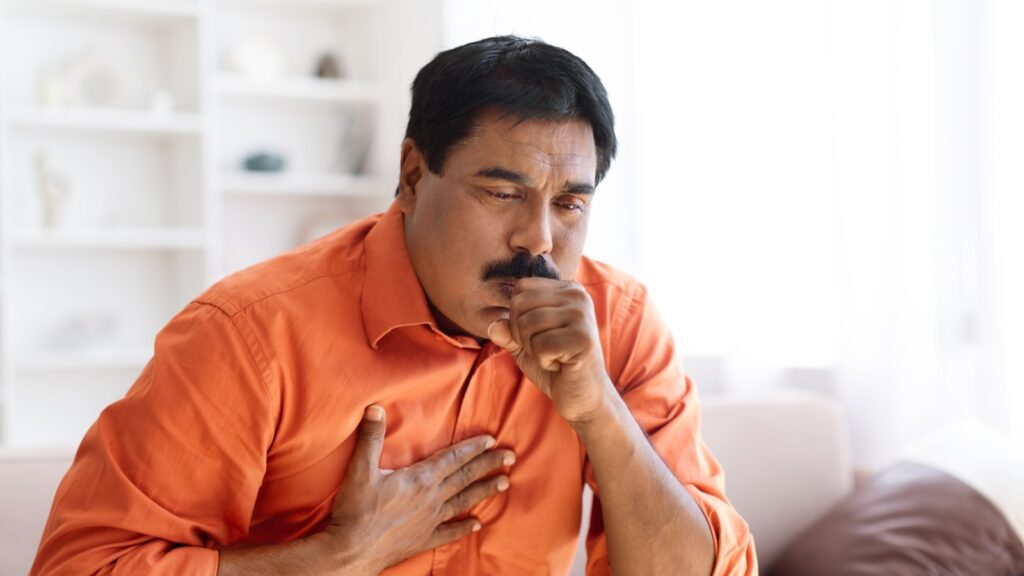
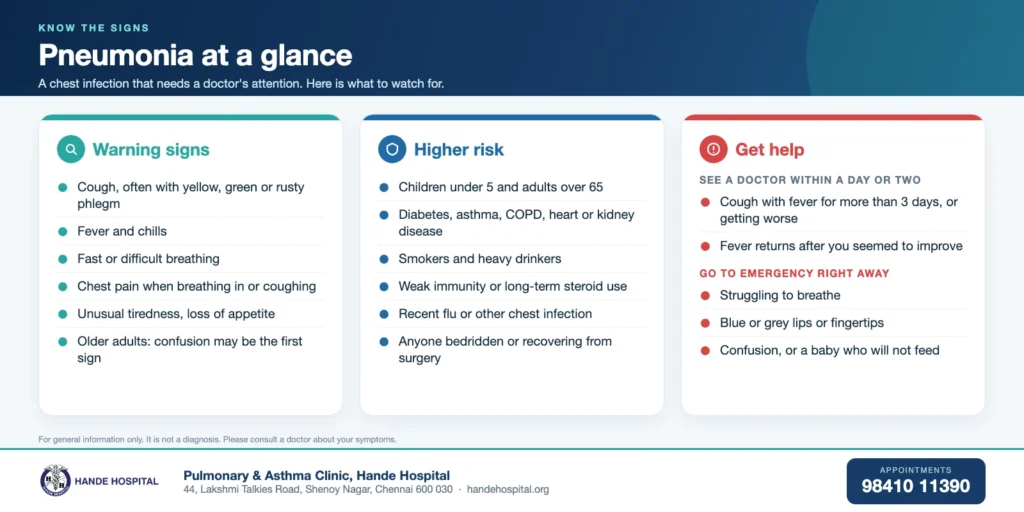
Pneumonia often starts like a cold or flu and then gets worse instead of better. Look out for:
- A cough, sometimes with yellow, green or rust-coloured phlegm
- Fever, sweating and shaking chills
- Breathing that is faster than usual, or breathlessness when you walk or even talk
- Chest pain that gets sharper when you breathe in deeply or cough
- Tiredness that feels out of proportion, and loss of appetite
It does not look the same at every age. In older adults, the first sign may be confusion, unusual drowsiness or a lower-than-normal temperature rather than a high fever. In babies and young children, watch for fast breathing, the skin between the ribs pulling in with each breath, poor feeding and unusual sleepiness.
A simple way to tell it apart from a cold: a cold stays mostly in the nose and throat and eases in about a week. Pneumonia tends to get worse after the first few days, or comes back just when you thought you were recovering.
Who is at higher risk?
Anyone can get pneumonia, but some people are far more likely to become seriously unwell:
- Children under 5 and adults over 65
- People with diabetes, asthma, COPD, heart disease or kidney disease
- Smokers and people who drink heavily
- People with weak immunity, for example during cancer treatment or long-term steroid use
- Anyone who has just had flu or another chest infection
- People who are bedridden or recovering from surgery
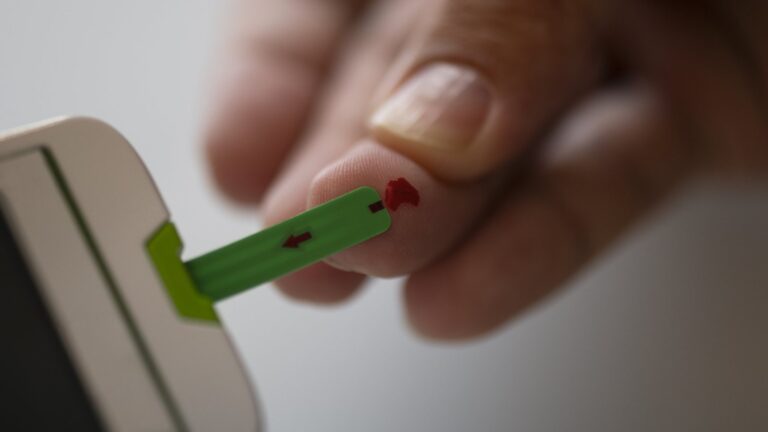
Diabetes deserves a special mention. High blood sugar weakens the body’s defences, so infections take hold more easily and recovery can be slower.
When to see a doctor
See a doctor within a day or two if:
- A cough with fever has lasted more than three days or keeps getting worse
- The fever comes back after you seemed to be improving
- You are breathing faster than normal or feel breathless doing simple things
- You have chest pain when you breathe or cough
Go to an emergency department straight away if:
- You are struggling to breathe
- Your lips or fingertips look blue or grey
- There is new confusion or extreme drowsiness
- A child is breathing very fast, cannot drink or feed, or is hard to wake
If the patient is over 65, has a long-term condition or is a small child, it is sensible to see a doctor sooner rather than later. A cough that lingers for weeks is also worth checking, and our earlier post on when a persistent cough needs a pulmonologist explains why.
How is pneumonia diagnosed?
Your doctor will listen to your chest and check your breathing rate and the oxygen level in your blood with a small clip on your finger. A chest X-ray usually confirms the diagnosis, and blood tests (and sometimes a phlegm test) show how serious it is and what may be causing it. Based on this, the doctor decides whether you can recover safely at home or need to be admitted.
One important point: antibiotics only work against bacteria, and some pneumonias are viral, so not every chest infection needs them. Please do not start leftover antibiotics on your own, and always finish the full course if one is prescribed.
Recovering well
Rest, plenty of fluids and the medicines your doctor prescribes are the basics. Tiredness and a lingering cough can last a few weeks, so do not rush back to a full schedule. If you smoke, this is a good time to stop, and here is what changes in your body once you do. If you are older or have a lung condition, your doctor may ask for a follow-up check or X-ray to make sure the lungs have cleared.
Lowering your risk
- Ask your doctor about the pneumococcal vaccine and the yearly flu vaccine, especially if you are over 65, have diabetes, asthma, COPD or heart disease, or look after young children
- Do not smoke, and stay away from second-hand smoke
- Wash your hands often, and stay home when you have a fever
- Keep diabetes, asthma and other long-term conditions well controlled
- Treat colds and flu properly instead of pushing through them
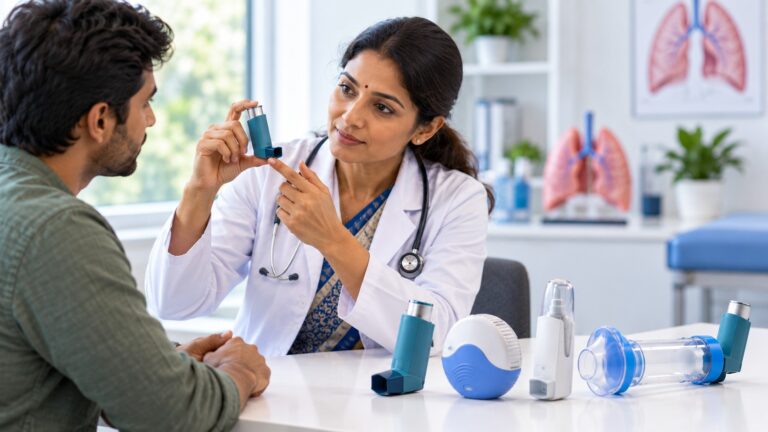
If you have asthma, using your inhaler correctly makes a real difference too. We cover that in Asthma Inhalers Explained.
Frequently Asked Questions
1. Is pneumonia contagious?
The germs that cause it can spread through coughs and sneezes, but most healthy people who catch them only develop a cold or a mild chest infection. Pneumonia is more likely when the lungs or the immune system are already weak.
2. Can pneumonia go away on its own?
A mild case sometimes does, but you cannot tell at home whether yours is mild. It is safer to get checked so that a serious infection is not missed.
3. Can I get pneumonia more than once?
Yes. Having it once does not protect you, and lungs that have been through an infection can be more vulnerable. That is one more reason to keep vaccinations up to date and avoid smoking.
Talk to our team
If you or someone at home has a cough with fever that is not settling, or finds it hard to breathe, please do not wait it out. Our Pulmonary & Asthma Clinic can examine you, and our 24-hour X-ray and 24-hour diagnostic laboratory support a quick assessment.
- Location: Hande Hospital, 44, Lakshmi Talkies Road, Shenoy Nagar, Chennai 600 030
- Appointments: Call 98410 11390
- Website: www.handehospital.org
Book an appointment online, or read more about our Pulmonary & Asthma Clinic.
In an emergency, call 98410 11390 or go to the nearest emergency department without delay. This article is for general information and does not replace a medical consultation.