

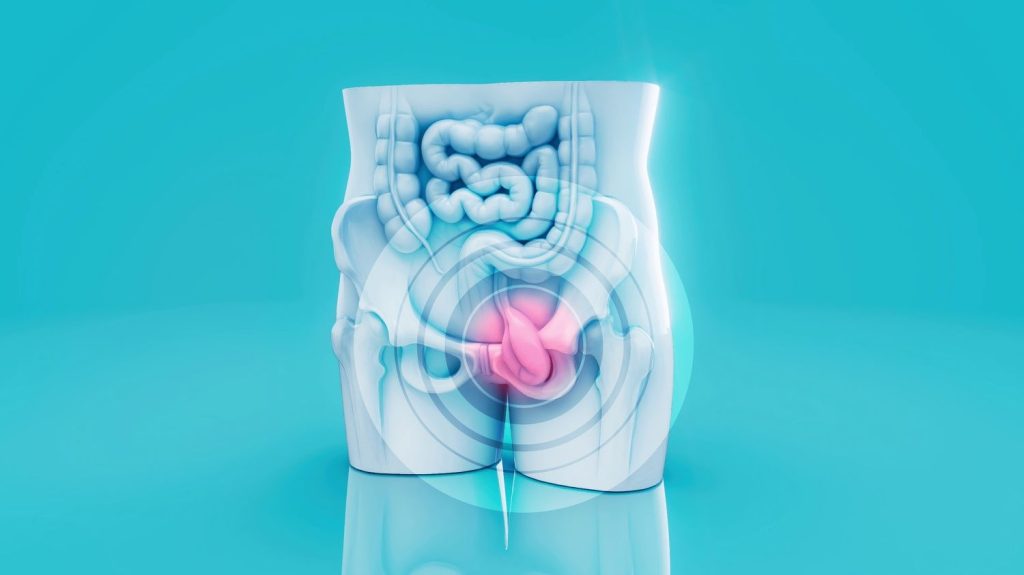
The prostate is a small gland located below the bladder in men. Although it is about the size of a walnut, it plays an important role in male reproductive health. As men age, prostate-related conditions become increasingly common. Recognising the early signs of prostate problems can help ensure timely diagnosis and effective treatment.
Many prostate conditions develop gradually, and the symptoms may be subtle at first. Knowing what to watch for can make a significant difference in maintaining your health and quality of life.
Understanding the Prostate
The prostate surrounds part of the urethra, the tube that carries urine from the bladder out of the body. Because of its location, any enlargement or inflammation of the prostate can affect urinary function.
Common prostate conditions include:
- Benign Prostatic Hyperplasia (BPH) or enlarged prostate
- Prostatitis (inflammation of the prostate)
- Prostate cancer
While not all prostate problems are serious, they should never be ignored.
Early Signs of Prostate Problems
1. Frequent Urination
One of the earliest and most common signs is the need to urinate more often than usual, particularly during the night. Waking up multiple times to use the bathroom can be an indication that the prostate is affecting bladder function.
2. Difficulty Starting Urination
Men with prostate issues may notice that it takes longer to begin urinating, even when they feel a strong urge.
3. Weak or Interrupted Urine Flow
A reduced urine stream or urine that stops and starts during urination can occur when an enlarged prostate places pressure on the urethra.
4. Feeling That the Bladder Is Not Fully Empty
After urinating, some men continue to feel as though urine remains in the bladder. This sensation can become increasingly bothersome over time.
5. Urgent Need to Urinate
A sudden and difficult-to-control urge to urinate may indicate changes in the urinary system related to prostate enlargement or irritation.
6. Pain or Burning During Urination
Although less common with an enlarged prostate, pain or burning can occur with prostatitis or urinary tract infections associated with prostate conditions.
7. Pelvic or Lower Back Discomfort
Persistent discomfort in the pelvic region, lower back, hips, or upper thighs may sometimes be linked to prostate problems and should be evaluated by a doctor.
8. Blood in Urine or Semen
The presence of blood in urine or semen should never be ignored and requires immediate medical attention.
Risk Factors for Prostate Problems
Several factors can increase the likelihood of developing prostate conditions:
- Age over 50 years
- Family history of prostate disease
- Obesity
- Sedentary lifestyle
- Certain hormonal changes
- Chronic inflammation
Regular health check-ups become increasingly important as men grow older.
When Should You See a Doctor?
You should seek medical advice if you experience:
- Persistent urinary symptoms
- Frequent nighttime urination
- Difficulty passing urine
- Pain during urination
- Blood in urine or semen
- Unexplained pelvic discomfort
Early evaluation helps identify whether symptoms are caused by a benign condition, infection, or something more serious.
How Are Prostate Problems Diagnosed?
A urologist may recommend:
- Physical examination
- Prostate-Specific Antigen (PSA) blood test
- Urine analysis
- Ultrasound imaging
- Additional diagnostic tests if required
These evaluations help determine the underlying cause and guide appropriate treatment.
Treatment Options
Treatment depends on the specific condition and severity of symptoms. Options may include:
- Lifestyle modifications
- Medications
- Minimally invasive procedures
- Surgical treatment when necessary
- Regular monitoring for mild cases
Early treatment often leads to better outcomes and improved quality of life.
Tips for Maintaining Prostate Health
To support prostate health:
- Maintain a healthy weight
- Exercise regularly
- Eat a balanced diet rich in fruits and vegetables
- Stay hydrated
- Avoid smoking
- Attend regular health screenings, especially after age 50
Conclusion
Prostate problems are common, particularly as men age, but early recognition of symptoms can help prevent complications and improve treatment outcomes. Frequent urination, weak urine flow, difficulty emptying the bladder, and pelvic discomfort should not be ignored. Consulting a healthcare professional at the first sign of symptoms can help ensure timely diagnosis and effective management.
You can contact Hande Hospital by calling 9841011390 or emailing handehospital@yahoo.com for expert consultation with our urologist Dr. R. Karunamoorthy, MS., MCh (Urology), Urologist.