The Sugar Trap: How Childhood Obesity Is Fueling the Rise of Diabetes
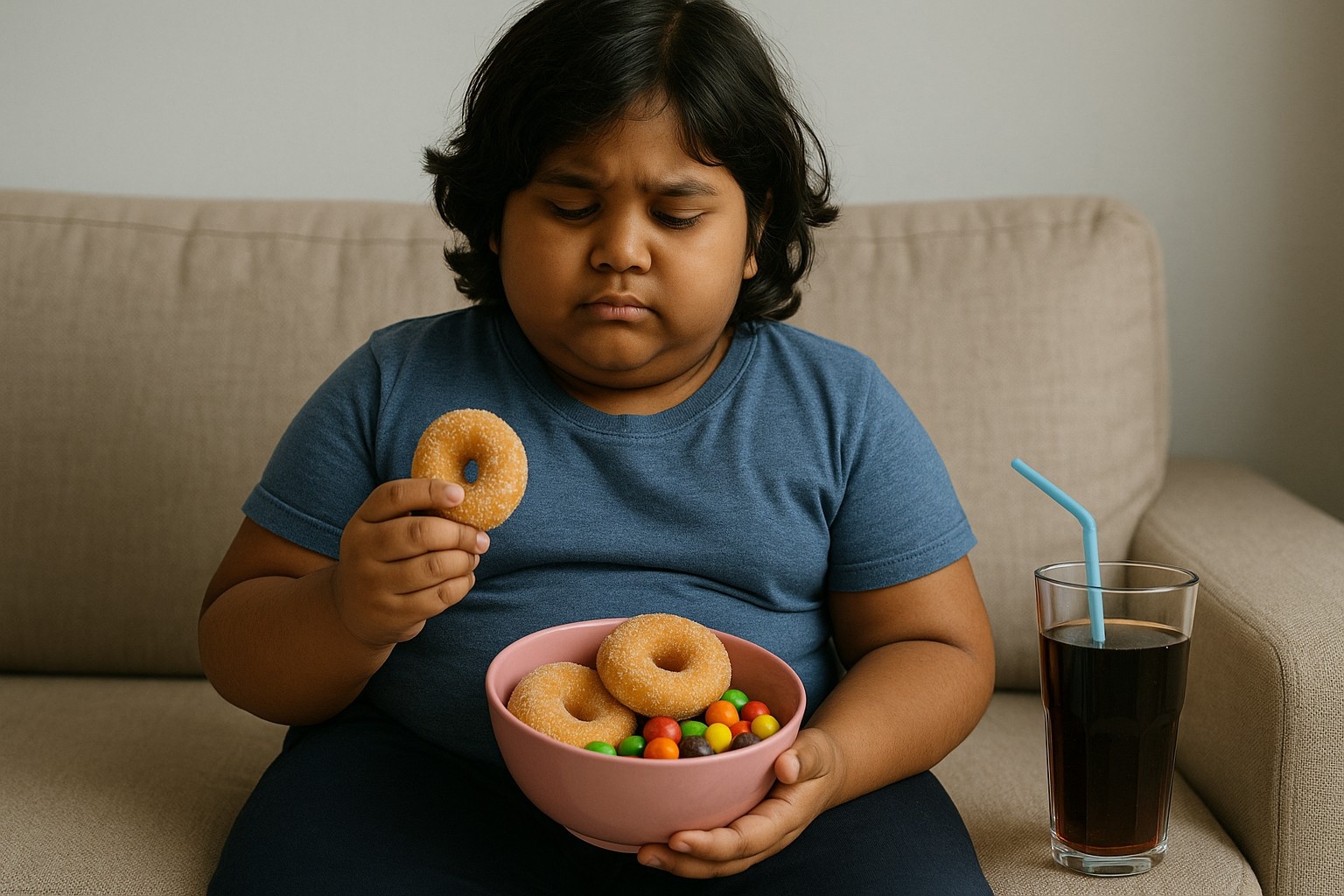
In the age of convenience foods and sugary beverages, children are consuming more sugar than ever before. While the occasional treat might seem harmless, the consistent intake of processed sugar is creating long-term health problems — particularly childhood obesity and early-onset diabetes.
Understanding how these two conditions are connected is key to preventing an entire generation from facing chronic metabolic diseases.
How Sugar Contributes to Childhood Obesity
Sugar provides “empty calories” — energy without essential nutrients. When consumed in excess, especially through soft drinks, candies, and fast food, it gets stored as fat. Over time, this leads to childhood obesity, a growing concern worldwide.
Major sources of hidden sugar include:
- Sweetened breakfast cereals
- Packaged juices and soft drinks
- Chocolate spreads and baked goods
- Fast-food sauces and dressings
Children today are surrounded by sugary temptations that make it difficult to maintain a balanced diet. This excessive sugar intake not only increases weight but also disrupts insulin function, paving the way for type 2 diabetes.
Obesity and the Diabetes Connection
When a child becomes overweight, the fat stored around vital organs interferes with how insulin — the blood sugar-regulating hormone — works. This condition, called insulin resistance, forces the pancreas to produce more insulin. Eventually, the pancreas can’t keep up, leading to high blood sugar levels and type 2 diabetes.
Recent studies show that overweight children are up to four times more likely to develop type 2 diabetes than their peers with a healthy body mass index (BMI).
Warning Signs Parents Shouldn’t Ignore
Early detection is critical. Look out for:
- Constant fatigue or irritability
- Unexplained weight gain or sudden weight loss
- Increased thirst and frequent urination
- Darkened skin patches (especially around the neck or armpits)
- Cravings for sugary snacks or drinks
If your child shows these symptoms, consult a doctor promptly to prevent complications.
Preventing Childhood Obesity and Diabetes
Healthy habits start at home. Parents and caregivers play a vital role in shaping a child’s relationship with food and activity.
Here’s how to help prevent obesity and diabetes:
- Limit Sugary Drinks: Encourage water, coconut water, or fresh juices instead of sodas.
- Promote Balanced Meals: Include proteins, vegetables, fruits, and whole grains in every meal.
- Increase Physical Activity: Kids should engage in at least one hour of physical play daily.
- Set Screen-Time Limits: Reduce sedentary activities like watching TV or gaming for long hours.
- Lead by Example: Children mimic parents — so make healthy eating a family commitment.
The Role of Schools and Community
Schools can reinforce healthy habits by providing nutritious meals, including health education in the curriculum, and encouraging physical fitness. Public health campaigns and parental awareness programs are equally essential to reverse this trend.
Conclusion
The “sugar trap” is more than a diet issue — it’s a public health crisis. Childhood obesity not only affects confidence and lifestyle but also increases the risk of developing type 2 diabetes, heart disease, and other lifelong conditions.
Early prevention, regular health check-ups, and expert guidance can make a world of difference.
If your child shows signs of obesity or high sugar intake, seek professional help early.
Book your appointment at Hande Hospital today by calling 98410 11390 for expert consultation and get on the path to better health.