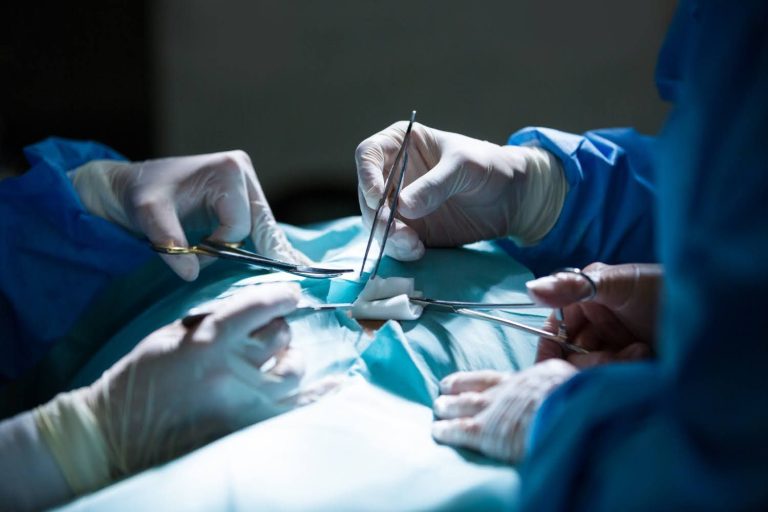


Breast surgery is performed for a variety of medical and cosmetic reasons, ranging from the treatment of breast cancer and benign breast conditions to reconstructive and aesthetic procedures. Understanding the different types of breast surgery, along with their benefits and risks, can help patients make informed healthcare decisions.
Types of Breast Surgery
1. Lumpectomy
A lumpectomy involves removing a breast lump or tumor while preserving most of the surrounding breast tissue. It is commonly performed for early-stage breast cancer or benign breast conditions.
2. Mastectomy
A mastectomy is the surgical removal of part or all of the breast tissue. It may be recommended for breast cancer treatment, prevention in high-risk patients, or recurrent disease.
3. Breast Reconstruction Surgery
This procedure restores the shape and appearance of the breast following a mastectomy or significant breast tissue removal. Reconstruction can be performed using implants or the patient’s own tissue.
4. Breast Biopsy Surgery
When imaging tests reveal suspicious breast abnormalities, a surgical biopsy may be performed to obtain tissue samples for diagnosis.
5. Surgery for Benign Breast Conditions
Certain non-cancerous conditions such as fibroadenomas, cysts, or recurrent breast infections may require surgical treatment.
Benefits of Breast Surgery
- Effective treatment for breast cancer and other breast diseases
- Removal of painful or uncomfortable breast lumps
- Improved quality of life and peace of mind
- Enhanced breast appearance through reconstruction
- Accurate diagnosis through tissue examination
- Reduced risk of cancer progression or recurrence
Risks of Breast Surgery
Like any surgical procedure, breast surgery carries some risks, including:
- Bleeding and infection
- Pain or discomfort after surgery
- Scarring
- Changes in breast shape or sensation
- Fluid collection (seroma)
- Anesthesia-related complications
- Need for additional procedures in some cases
Most complications are uncommon and can be effectively managed when surgery is performed by an experienced specialist.
Preparing for Breast Surgery
Patients may undergo physical examinations, imaging studies, blood tests, and consultations before surgery. Following pre-operative instructions and discussing concerns with the surgeon can contribute to a smoother recovery.
Recovery After Breast Surgery
Recovery time varies depending on the type of procedure performed. Most patients can gradually resume normal activities within a few weeks. Proper wound care, follow-up visits, and adherence to medical advice are important for optimal healing.
Conclusion
Breast surgery plays a crucial role in diagnosing and treating various breast conditions while also helping improve patients’ health and confidence. Understanding the available surgical options, benefits, and potential risks allows patients to make informed decisions about their care.
You can contact Hande Hospital by calling 9841011390 or emailing handehospital@yahoo.com for expert consultation with our best endocrinologist Dr. Adarsh Raghavan, MBBS, M.S. General Surgery, M.Ch. Endocrine Surgery.