Fatty Liver on the Rise: What it is ,Why It Happens and How to prevent it
Introduction
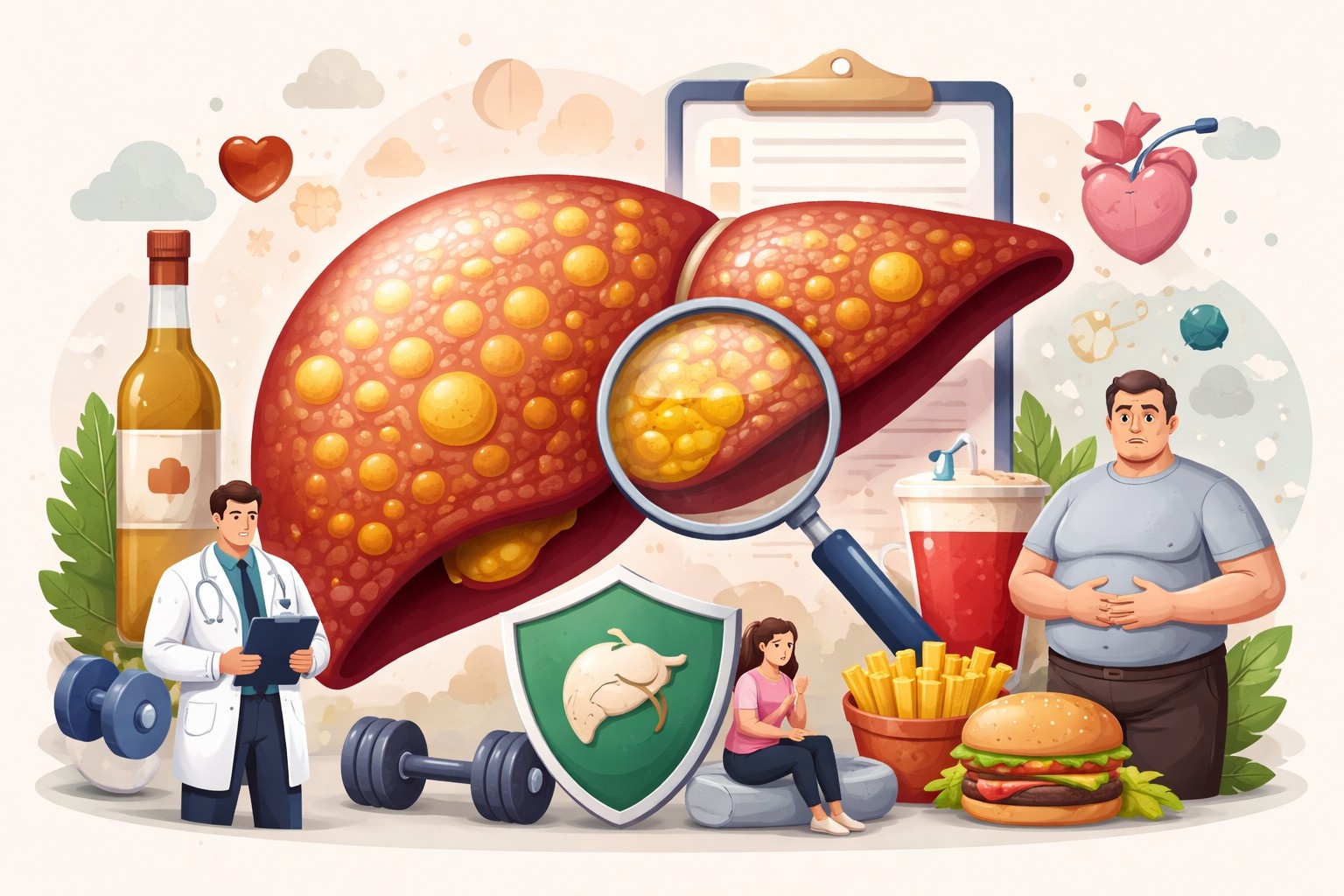
Fatty liver disease is becoming increasingly common, even among younger adults. Modern lifestyles—characterised by unhealthy eating habits, lack of exercise, stress, alcohol use, and rising obesity—have made fatty liver one of the fastest-growing health concerns globally. The good news is that fatty liver disease is reversible when detected early and managed properly.
This blog explains what fatty liver disease is, why it happens, fatty liver symptoms, and how to prevent fatty liver disease through smart lifestyle choices.
What Is Fatty Liver?
Fatty liver disease occurs when excess fat builds up in the liver cells. Normally, the liver contains a small amount of fat, but when fat makes up more than 5–10% of the liver’s weight, it becomes a medical condition called fatty liver disease.
There are two main types:
- Non-Alcoholic Fatty Liver Disease (NAFLD) – The most common form, linked to lifestyle factors such as obesity, diabetes, and high cholesterol.
- Alcoholic Fatty Liver Disease – Caused by excessive alcohol consumption.
If ignored, fatty liver can progress to inflammation, scar tissue (fibrosis), cirrhosis, or even liver failure.
Why Fatty Liver Happens
Fatty liver usually develops quietly and gradually. Several factors can increase your risk:
1. Unhealthy Diet
A diet high in fried food, refined carbs, sugary drinks, and processed snacks can lead to fat buildup in the liver.
2. Obesity and Overweight
Excess body weight is one of the strongest fatty liver causes. Even mild weight gain increases the risk.
3. Diabetes and Insulin Resistance
People with Type 2 diabetes are much more likely to develop non alcoholic fatty liver disease (NAFLD).
4. High Cholesterol or Triglycerides
Excess fat circulating in the blood is stored in the liver.
5. Sedentary Lifestyle
Lack of exercise slows metabolism and encourages fat storage.
6. Excessive Alcohol Consumption
Alcohol overloads the liver and leads to inflammation and fat accumulation.
7. Genetics
A family history of fatty liver disease can increase your risk.
Common Symptoms of Fatty Liver Disease
Fatty liver often has no obvious symptoms in the early stages. However, as the condition progresses, you may notice:
- Fatigue and weakness
- Discomfort or pain in the upper right abdomen
- Unexplained weight gain
- Elevated liver enzymes in blood tests
- Loss of appetite
- Swelling in legs or abdomen (advanced stage)
Since symptoms appear late, early diagnosis through regular health check-ups is important.
How to Prevent Fatty Liver
The most effective fatty liver prevention strategies focus on improving your lifestyle and supporting liver health.
1. Eat a Balanced, Liver-Friendly Diet
- Include whole grains, vegetables, fruits, and lean proteins
- Reduce sugar, refined flour, and oily foods
- Use healthier fats such as olive oil and nuts
2. Maintain a Healthy Weight
Even a 5–7% weight reduction can significantly reduce liver fat.
3. Exercise Regularly
Aim for 30 minutes of moderate exercise at least 5 days a week.
Walking, cycling, swimming, and yoga all help reduce liver fat.
4. Limit Alcohol Consumption
If diagnosed with fatty liver, avoiding alcohol completely is the safest option.
5. Manage Diabetes & Cholesterol
Proper medication, diet, and lifestyle management keep sugar and lipid levels under control.
6. Stay Hydrated
Drinking adequate water helps detoxify the body and reduces liver stress.
7. Go for Regular Liver Tests
Periodic ultrasound and liver function tests help track liver health and catch issues early.
When to See a Doctor
If you experience persistent fatigue, abdominal discomfort, or if your routine blood tests show abnormal liver values, consult a specialist immediately. Early treatment prevents complications such as cirrhosis and liver damage.
Conclusion
Fatty liver is becoming increasingly common due to modern lifestyle habits — but the good news is that it’s both preventable and reversible when detected early. Small changes like eating healthier, staying active, limiting alcohol, and scheduling regular check-ups can go a long way in protecting your liver and improving your overall well-being.
To understand your current health status, you can opt for a Master Health Check-Up Package, which helps assess liver function, thyroid levels, cardiac health, and more. Hande Hospital also offers specialised packages tailored to your needs, ensuring early detection and timely care.
For more details, explore the available packages here:
👉 https://handehospital.org/health-checkup-packages-chennai/
For expert diagnosis, treatment, and personalised lifestyle guidance, visit Hande Hospital.
📞 Call 98410 11390 to book your consultation and take the first step toward better liver health.