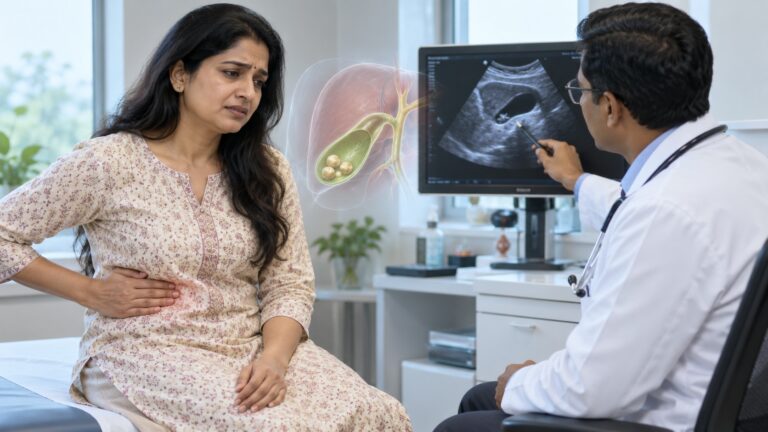

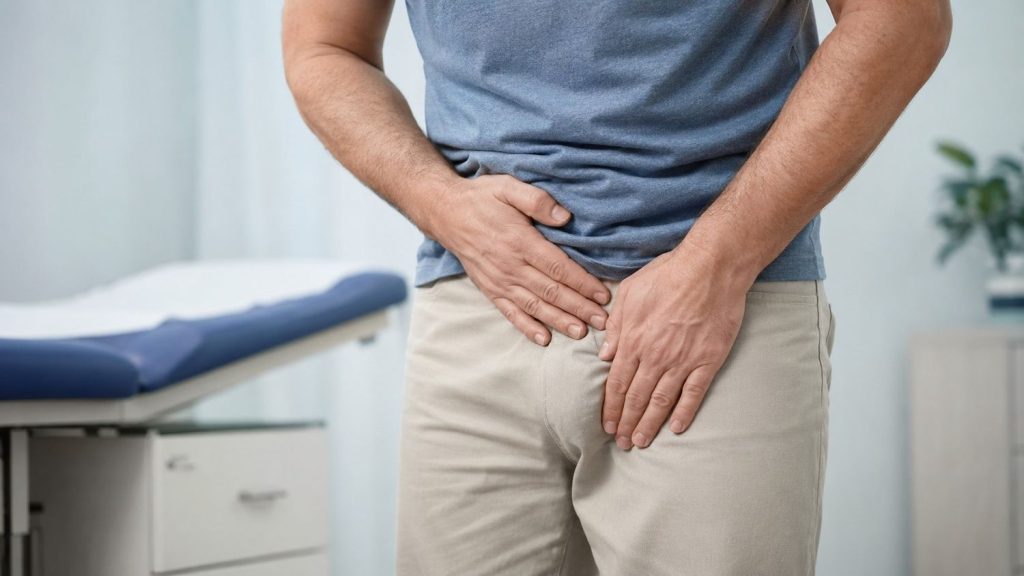
A small lump or occasional discomfort in the abdomen may not initially appear serious. However, these symptoms can sometimes indicate a hernia—a condition that may gradually worsen without appropriate medical attention.
A hernia develops when an internal organ or fatty tissue pushes through a weak area in the surrounding muscle or connective tissue. Hernias commonly occur in the abdomen, groin, upper thigh or around a previous surgical incision. Some hernias cause few symptoms initially, while others may lead to pain, digestive problems or serious complications.
Recognising the early signs and consulting a doctor can help prevent the condition from becoming more painful or complicated.
What Is a Hernia?
The muscles of the abdominal wall normally hold the internal organs securely in place. When a weak area develops in these muscles, tissue or part of an organ may push through it and form a visible or noticeable bulge.
A hernia usually does not heal permanently on its own. Although some small and symptom-free hernias may be monitored, surgery is generally the only treatment that can permanently repair the weakened area.
Common Types of Hernia
The symptoms and location of a hernia can vary depending on its type.
Inguinal Hernia
An inguinal hernia develops in the groin and is one of the most common types of hernia. It occurs when abdominal tissue pushes through a weak area in the lower abdominal wall.
The swelling may become more visible while coughing, lifting, bending or standing for an extended period.
Femoral Hernia
A femoral hernia appears in the upper inner thigh or groin. It occurs when tissue pushes through a weak point near the femoral canal.
Femoral hernias require careful medical evaluation because they have a higher risk of becoming trapped or strangulated.
Umbilical Hernia
An umbilical hernia causes a lump or swelling around the belly button. It is common in infants but can also occur in adults.
In adults, umbilical hernias may be associated with increased pressure inside the abdomen and are less likely to resolve without treatment.
Incisional Hernia
An incisional hernia develops through a weakened area in the abdominal wall where a previous surgery was performed. It may appear months or even years after the operation.
Hiatus Hernia
A hiatus hernia occurs when part of the stomach moves upward through the diaphragm into the chest. Unlike other hernias, it does not usually create a visible external lump.
A hiatus hernia may cause symptoms such as heartburn, acid reflux, chest discomfort, bloating or difficulty swallowing.
Early Signs of a Hernia You Should Not Ignore
Hernia symptoms may develop slowly. In the early stages, a person may only notice a small swelling or mild discomfort during physical activity.
1. A Visible Lump or Swelling
A lump in the groin, abdomen, upper thigh or around the belly button is one of the most recognisable signs of a hernia.
The lump may:
- Become more visible while standing
- Appear while coughing or straining
- Increase after lifting something heavy
- Become less noticeable while lying down
- Be painless during the early stages
Even if the swelling is small or painless, it should be examined by a doctor.
2. Pain or Discomfort While Lifting
Pain, pressure or a pulling sensation may develop when lifting heavy objects, exercising, coughing or bending forward.
This happens because these activities increase pressure inside the abdomen, causing more tissue to push against the weakened muscle.
3. A Heavy or Dragging Feeling
Some people experience a feeling of heaviness, pressure or dragging in the groin or lower abdomen. The sensation may become stronger after standing, walking or working for long periods.
4. Burning or Aching Near the Swelling
A hernia may cause a dull ache, burning sensation or localised discomfort around the lump. The pain may be intermittent at first but can become more frequent as the hernia increases in size.
5. Pain While Coughing or Sneezing
Coughing and sneezing suddenly increase pressure inside the abdomen. Pain or swelling that becomes noticeable during these actions may indicate weakness in the abdominal wall.
6. A Bulge Around a Previous Surgical Scar
A swelling developing near an old abdominal surgical scar may indicate an incisional hernia. It may be more visible while standing, coughing or tightening the abdominal muscles.
7. Digestive Symptoms
Depending on the type and location of the hernia, a person may experience:
- Abdominal bloating
- Nausea
- Constipation
- A feeling of fullness
- Difficulty passing stools or gas
- Heartburn or acid reflux in the case of a hiatus hernia
Digestive symptoms accompanied by a painful abdominal or groin swelling require prompt evaluation.
What Causes a Hernia?
A hernia usually develops due to a combination of muscle weakness and increased pressure inside the abdomen.
Factors that may contribute to its development include:
- Lifting heavy objects incorrectly
- Persistent coughing
- Chronic constipation and straining
- Being overweight
- Pregnancy
- Previous abdominal surgery
- Age-related muscle weakness
- Repeated strenuous physical activity
- A naturally weak abdominal wall
In many cases, there may be no single identifiable cause. Any activity or medical condition that repeatedly increases pressure on weakened abdominal tissue can contribute to hernia formation.
When Does a Hernia Become an Emergency?
A hernia can occasionally become trapped in the abdominal wall. This is called an incarcerated or stuck hernia. If the blood supply to the trapped tissue is interrupted, it becomes a strangulated hernia.
A strangulated hernia is a medical emergency and may require immediate surgery.
Seek emergency medical care if you experience:
- Sudden or severe pain around the hernia
- A lump that becomes firm, tender or increasingly swollen
- A bulge that cannot be gently pushed back
- Red, purple or dark discolouration over the swelling
- Nausea or repeated vomiting
- Severe abdominal bloating
- Fever
- Inability to pass stools or gas
- Rapidly worsening abdominal or groin pain
These symptoms may indicate intestinal obstruction or loss of blood supply to the trapped tissue. Delaying treatment could lead to serious complications.
How Is a Hernia Diagnosed?
A doctor can often diagnose an external hernia through a physical examination. You may be asked to stand, cough or strain gently so that the swelling becomes easier to identify.
The doctor may examine:
- The location and size of the lump
- Whether the swelling is painful
- Whether it disappears while lying down
- Whether it can be gently pushed back
- Whether there are signs of obstruction or strangulation
An ultrasound, CT scan or other imaging test may be recommended when the diagnosis is unclear, the hernia is located deeper inside the body or complications are suspected.
What Are the Treatment Options?
Treatment depends on the type and size of the hernia, the severity of the symptoms and the patient’s overall health.
Monitoring
A small hernia that is not causing pain or affecting daily activities may sometimes be monitored under medical supervision.
However, regular evaluation is important because a hernia may gradually increase in size or begin causing symptoms.
Hernia Repair Surgery
Surgery is the only permanent method of repairing most hernias. During the procedure, the protruding tissue is placed back in its proper position, and the weakened muscle area is closed or reinforced.
Hernia repair may be performed through:
- Open surgery: A surgical incision is made near the hernia.
- Laparoscopic surgery: The repair is performed through small incisions using a camera and specialised instruments.
The recommended approach depends on the type of hernia, its size, previous operations and the surgeon’s assessment.
Can a Hernia Be Prevented?
Not every hernia can be prevented, particularly when it develops because of an inherited or age-related weakness in the abdominal wall. However, certain habits may reduce unnecessary strain on the muscles.
Helpful measures include:
- Maintaining a healthy body weight
- Using proper technique while lifting
- Avoiding lifting beyond your capacity
- Treating persistent coughing
- Managing constipation
- Eating adequate fibre and drinking enough fluids
- Following medical advice after abdominal surgery
- Avoiding tobacco use, which may contribute to chronic coughing
These measures may reduce abdominal pressure, but they cannot close an existing hernia.
Do Not Ignore a Small or Painless Hernia
A painless lump can still be a hernia. Waiting until the swelling becomes large or painful may make the condition more difficult to manage.
Early medical assessment can confirm whether the lump is a hernia, identify its type and determine whether monitoring or surgical repair is appropriate. Immediate care is particularly important when the swelling becomes painful, hard, discoloured or is accompanied by vomiting or abdominal bloating.
Consult Hande Hospital for Hernia Evaluation and Treatment
If you notice a swelling in the abdomen or groin, pain while lifting, discomfort while coughing or a bulge near a previous surgical scar, consult a qualified medical professional for an evaluation.
The surgical team led by Dr. Krishna Hande at Hande Hospital can assess your symptoms, identify the type of hernia and recommend an appropriate treatment plan based on your condition.
📍 Hande Hospital
44, Lakshmi Talkies Road,
Shenoy Nagar, Chennai – 600030
📞 For appointments, call: 98410 11390
Early diagnosis and timely treatment can help reduce discomfort and prevent potentially serious hernia-related complications.
This blog is intended for general educational purposes and should not replace an examination, diagnosis or personalised medical advice from a qualified healthcare professional.