High blood pressure, also known as hypertension, is often called a “silent killer” because it usually develops without noticeable symptoms. Many people live with high blood pressure for years without realising it, while it quietly damages the heart, blood vessels, kidneys, brain, and eyes. If left untreated, it can lead to serious conditions such as heart attack, stroke, kidney disease, and heart failure.
Understanding how to detect and control high blood pressure early is essential for maintaining long-term health and preventing life-threatening complications.
What is High Blood Pressure?
Blood pressure is the force of blood pushing against the walls of your arteries. A normal blood pressure reading is usually around 120/80 mmHg. When the readings consistently remain above normal levels, it is considered hypertension.
There are two main numbers in a blood pressure reading:
- Systolic Pressure: Pressure when the heart beats
- Diastolic Pressure: Pressure when the heart rests between beats
A reading of 140/90 mmHg or higher is generally considered high blood pressure and requires medical attention.
Why is High Blood Pressure Dangerous?
The biggest challenge with hypertension is that it rarely causes symptoms in the early stages. By the time noticeable signs appear, significant damage may already have occurred.
Uncontrolled high blood pressure can increase the risk of:
- Heart attack
- Stroke
- Kidney damage
- Vision loss
- Heart failure
- Memory problems
- Aneurysm
Regular health check-ups and blood pressure monitoring are the best ways to detect the condition early.
Common Risk Factors for Hypertension
Several lifestyle and health factors can increase the risk of developing high blood pressure, including:
- Excess salt intake
- Obesity
- Lack of physical activity
- Smoking and alcohol consumption
- Stress and anxiety
- Family history of hypertension
- Diabetes
- High cholesterol
- Poor sleep quality
Age also plays a role, as blood pressure tends to rise as people get older.
Symptoms You Should Never Ignore
Although hypertension often develops silently, some people may experience warning signs such as:
- Frequent headaches
- Dizziness
- Shortness of breath
- Chest pain
- Blurred vision
- Fatigue
- Nosebleeds
- Irregular heartbeat
These symptoms should never be ignored and require immediate medical evaluation.
How is High Blood Pressure Diagnosed?
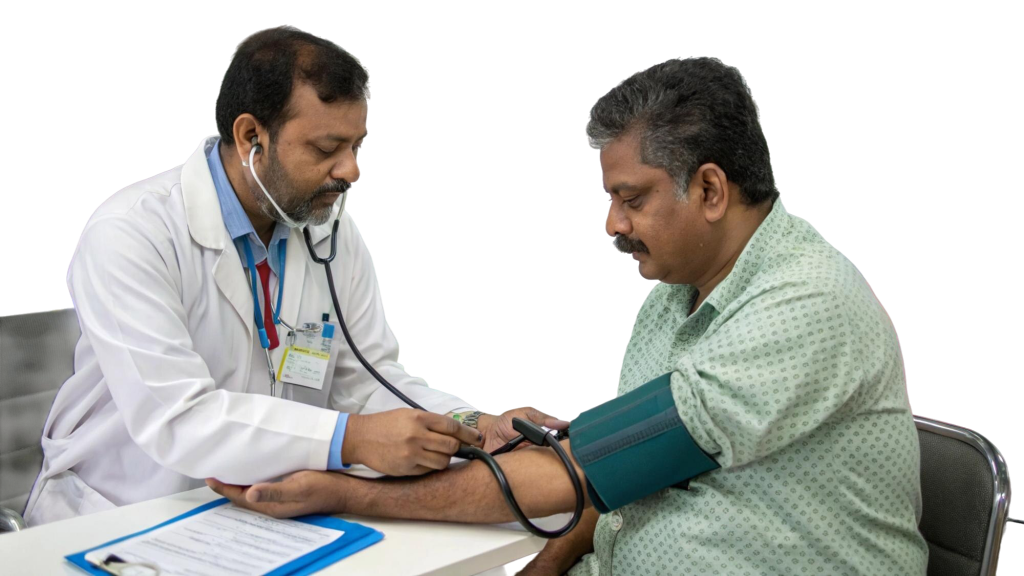
Diagnosis is simple and painless. Doctors measure blood pressure using a blood pressure monitor during a routine check-up. Multiple readings may be taken over time to confirm hypertension.
Additional tests may include:
- Blood tests
- Urine tests
- ECG (Electrocardiogram)
- Echocardiogram
- Kidney function tests
These tests help identify any underlying causes and assess whether hypertension has affected other organs.
Effective Ways to Control High Blood Pressure
Managing hypertension involves a combination of lifestyle changes and medical care.
1. Follow a Healthy Diet
Reduce salt intake and eat more fruits, vegetables, whole grains, and lean proteins. Avoid processed foods and excessive sugar.
2. Exercise Regularly
At least 30 minutes of moderate physical activity most days of the week can help lower blood pressure naturally.
3. Maintain a Healthy Weight
Losing excess weight reduces pressure on the heart and blood vessels.
4. Quit Smoking and Limit Alcohol
Smoking damages blood vessels, while excessive alcohol raises blood pressure levels.
5. Manage Stress
Practices such as yoga, meditation, breathing exercises, and proper sleep can help control stress-related hypertension.
6. Take Medications as Prescribed
Some individuals may require medications to control blood pressure effectively. Never stop medications without consulting your doctor.
Importance of Regular Monitoring
Even if you feel healthy, regular blood pressure checks are important, especially if you have a family history of hypertension or other risk factors. Early detection allows timely treatment and helps prevent serious complications.
World Hypertension Day – May 17
Every year, May 17 is observed as World Hypertension Day to spread awareness about the dangers of high blood pressure and the importance of regular screening. The day encourages people to monitor their blood pressure, adopt healthier lifestyles, and seek medical advice early.
Hypertension can often be controlled successfully with proper diagnosis, lifestyle modifications, and expert medical guidance. Taking action today can protect your heart and overall health for the future.
You can contact Hande Hospital by calling 9841011390 or emailing handehospital@yahoo.com for expert evaluation and hypertension management.
Early consultation and expert care at Hande Hospital can help ensure accurate diagnosis, personalised treatment, and better long-term health outcomes.