

Acidity or heartburn after a heavy or spicy meal is something many people experience occasionally. For some, the burning sensation disappears quickly. But when acidity becomes frequent, keeps returning, disturbs sleep, or does not improve with medicines, it may be time to look beyond temporary relief.
Persistent heartburn can sometimes be a sign of an underlying digestive condition that needs proper evaluation. In such cases, a gastroenterologist may recommend an upper GI endoscopy to examine the oesophagus, stomach, and the first part of the small intestine.
So, when should you stop relying on antacids and consider an endoscopy? Let us understand.
What Do Acidity and Heartburn Really Mean?
The word “acidity” is commonly used to describe symptoms such as:
- A burning sensation in the chest
- Sour or bitter fluid coming into the mouth
- Burning in the upper abdomen
- Frequent burping
- Bloating or discomfort after meals
- Nausea
- A feeling of food or acid coming back up
Heartburn usually occurs when stomach contents flow back into the oesophagus, the tube that carries food from the mouth to the stomach. Occasional acid reflux is common, but repeated and troublesome reflux may be associated with gastroesophageal reflux disease (GERD).
It is also important to remember that not every burning sensation is caused by simple acidity. Gastritis, peptic ulcers, hiatal hernia, and other digestive conditions may produce similar symptoms.
When Does Occasional Acidity Become a Concern?
An occasional episode of heartburn may improve with dietary changes, lifestyle modifications, or short-term medication. However, persistent symptoms should not simply be ignored.
You should consider consulting a gastroenterologist when:
- Heartburn keeps returning frequently
- Symptoms continue despite medicines
- You depend on antacids regularly
- Acidity wakes you up at night
- You experience frequent regurgitation
- Symptoms interfere with eating or daily activities
- You have had reflux symptoms for a long time
A doctor may first assess your symptoms, medical history, lifestyle, and response to treatment. Not everyone with heartburn needs an endoscopy. However, further investigation may be advised when symptoms are persistent, unusual, or associated with warning signs.
What Is an Upper GI Endoscopy?
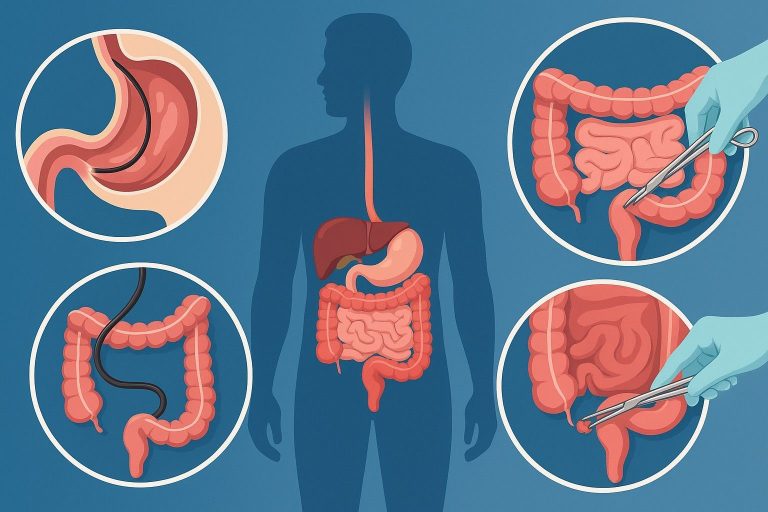
An upper gastrointestinal (GI) endoscopy is a procedure that allows a gastroenterologist to directly examine the inside lining of the:
- Oesophagus
- Stomach
- Duodenum, the first part of the small intestine
A thin, flexible tube with a camera is gently passed through the mouth. The camera provides a clear view of the upper digestive tract and helps the doctor identify inflammation, ulcers, narrowing, bleeding, or other abnormalities.
When necessary, small tissue samples called biopsies may also be collected during the procedure for further examination.
When Should You Consider an Endoscopy for Persistent Heartburn?
1. Your Symptoms Do Not Improve With Treatment
Lifestyle changes and medications can help many people with acid reflux. But if heartburn continues despite appropriate treatment, an endoscopy may be recommended to check for inflammation, damage, or another condition causing similar symptoms.
Persistent symptoms should not be managed indefinitely through self-medication without understanding the cause.
2. You Have Difficulty Swallowing
Feeling as though food is getting stuck in your throat or chest should not be ignored.
Difficulty swallowing may be related to inflammation, narrowing of the oesophagus, or another underlying problem. Pain while swallowing is also an important warning sign that requires medical evaluation.
An endoscopy allows the doctor to directly examine the oesophagus and identify the possible cause.
3. You Have Unexplained Weight Loss
Losing weight without trying, especially when combined with heartburn, poor appetite, vomiting, or swallowing problems, requires proper medical attention.
Unexplained weight loss is considered an alarm symptom. Your doctor may recommend further tests, including an endoscopy, to understand what is causing it.
4. You Notice Signs of Digestive Tract Bleeding
Seek medical care if you experience:
- Vomiting blood
- Vomit that looks like coffee grounds
- Black, tarry stools
- Blood in the stool
These symptoms may indicate bleeding somewhere in the digestive tract and require prompt medical assessment.
Endoscopy can help doctors locate the source of bleeding and, in some situations, perform treatment during the procedure.
5. You Have Persistent Vomiting
Repeated or unexplained vomiting is not something to manage with home remedies alone.
Persistent vomiting, particularly when combined with acidity, abdominal discomfort, weight loss, or difficulty eating, may require an endoscopy to look for inflammation, ulcers, narrowing, or other problems in the upper digestive tract.
6. You Have Unexplained Iron Deficiency Anaemia
Sometimes, slow bleeding in the digestive tract may not be immediately visible. Over time, it can contribute to iron deficiency anaemia.
If blood tests show unexplained anaemia, especially along with digestive symptoms, your doctor may recommend endoscopy as part of the evaluation.
7. Your Doctor Suspects Complications of Long-Term Acid Reflux
Persistent reflux can sometimes cause changes in the lining of the oesophagus.
An endoscopy may help identify conditions such as:
- Reflux oesophagitis
- Oesophageal narrowing
- Ulcers
- Barrett’s oesophagus
Detecting these changes allows the doctor to recommend appropriate treatment and follow-up.
What Can an Endoscopy Detect?
An upper GI endoscopy may help diagnose several conditions that can cause persistent acidity or heartburn, including:
GERD and Reflux Oesophagitis
Repeated exposure to stomach contents may irritate and inflame the lining of the oesophagus. Endoscopy can help identify visible inflammation or damage.
Gastritis
Gastritis is inflammation of the stomach lining. It may cause burning, upper abdominal discomfort, nausea, bloating, or indigestion.
Peptic Ulcers
Ulcers can develop in the stomach or duodenum and may cause burning pain, discomfort after meals, nausea, or bleeding.
Hiatal Hernia
A hiatal hernia occurs when part of the stomach moves upward through an opening in the diaphragm. It may be associated with reflux symptoms in some people.
Barrett’s Oesophagus
Long-standing GERD can sometimes lead to changes in the lining of the oesophagus. Upper GI endoscopy with biopsy is commonly used to diagnose Barrett’s oesophagus.
Other Abnormalities
Endoscopy may also help identify narrowing, growths, bleeding points, or other abnormalities that require further treatment or investigation.
Does Everyone With Heartburn Need an Endoscopy?
Many people with typical acid reflux symptoms can initially be evaluated based on their symptoms and medical history. Doctors may recommend lifestyle changes and medicines before considering further testing.
Endoscopy is more likely to be considered when:
- Symptoms are persistent despite treatment
- Warning signs are present
- Another digestive condition is suspected
- Complications of GERD need to be ruled out
- The diagnosis remains unclear
The decision should always be based on an individual medical assessment.
Do Not Keep Masking Persistent Symptoms
Taking an antacid may provide temporary relief, but repeated symptoms deserve attention.
Frequent self-medication can delay the diagnosis of the actual cause of your discomfort. Persistent acidity may be related to GERD, gastritis, an ulcer, or another digestive condition that requires a specific treatment approach.
Instead of repeatedly treating the symptom, speak to a gastroenterologist and understand the cause.
Conclusion: Persistent Heartburn Deserves Proper Evaluation
Occasional acidity may not be a cause for concern, but persistent or worsening heartburn should not become something you simply learn to live with. When symptoms keep returning, fail to improve with treatment, or occur along with difficulty swallowing, unexplained weight loss, persistent vomiting, bleeding, or anaemia, a medical evaluation is important.
An upper GI endoscopy can help your doctor directly examine the digestive tract, identify the underlying problem, and plan the right treatment.
For persistent acidity, heartburn, or other digestive concerns, contact Hande Hospital for expert gastroenterology and endoscopy care.
Consult Dr. P. Ganesh
MD., DM (Gastro)
Gastroenterologist & Endoscopist
📍 Hande Hospital, Shenoy Nagar, Chennai
📞 98410 11390
Do not let persistent acidity become a daily problem. Get the right diagnosis and the right care.