
What Happens to Your Body When You Quit Smoking
Quitting smoking is one of the best decisions you can make for your health. While tobacco addiction can feel difficult to overcome, the body starts healing surprisingly quickly after your last cigarette. From improved breathing to reduced risk of heart disease and cancer, the benefits of quitting smoking begin almost immediately and continue for years.
Many people are unaware of how much smoking affects nearly every organ in the body. Understanding the positive changes that happen after quitting can motivate smokers to take the first step toward a healthier life.
How Smoking Affects Your Body
Tobacco smoke contains thousands of harmful chemicals, including nicotine, carbon monoxide, and cancer-causing substances. Smoking damages the lungs, heart, blood vessels, brain, and immune system over time.
Today, vaping and e-cigarettes have also become increasingly common, especially among youngsters. Many people wrongly assume vaping is safer than smoking. In reality, vaping exposes the lungs to harmful chemicals, toxic metals, and addictive nicotine. Several studies suggest that long-term vaping can seriously damage lung tissue and may increase the risk of respiratory diseases and cancer. The attractive flavours and marketing often hide the dangerous health effects associated with vaping.
Smoking and vaping increase the risk of:
- Lung cancer
- Heart disease
- Stroke
- Chronic obstructive pulmonary disease (COPD)
- High blood pressure
- Infertility
- Weakened immunity
- Premature ageing
The good news is that many of these risks begin to decrease once smoking stops.
What Are Smoker’s Lungs?
Over time, smoking damages the tiny air sacs and airways inside the lungs. The lungs become inflamed, filled with mucus, and less efficient at carrying oxygen. This condition is commonly referred to as “smoker’s lungs.”
People with smoker’s lungs may experience:
- Persistent cough
- Breathlessness
- Wheezing
- Chest tightness
- Frequent lung infections
- Reduced stamina
If smoking continues for years, the damage can become permanent and lead to serious conditions such as COPD, emphysema, and lung cancer. However, quitting smoking early allows the lungs to gradually repair and function better over time.
What Happens After You Quit Smoking?
Within 20 Minutes
Your heart rate and blood pressure begin to return to normal levels.
Within 12 Hours
Carbon monoxide levels in the blood drop significantly, allowing oxygen levels to improve.
Within 24–48 Hours
Nicotine starts leaving the body. Taste and smell senses begin improving.
Within a Few Weeks
Blood circulation improves, and lung function starts getting better. Many people notice reduced coughing and shortness of breath.
Within a Few Months
The lungs begin repairing damaged tissues and clearing mucus buildup more effectively.
After One Year
The risk of heart disease becomes almost half compared to a smoker.
After Several Years
The risk of stroke, lung disease, and several cancers continues to reduce significantly.
Common Withdrawal Symptoms
Quitting smoking is not always easy because nicotine is highly addictive. During the initial days, some people may experience:
- Irritability
- Anxiety
- Cravings
- Difficulty concentrating
- Mood swings
- Sleep disturbances
- Increased appetite
These symptoms are temporary and usually improve over time.
Tips to Successfully Quit Smoking
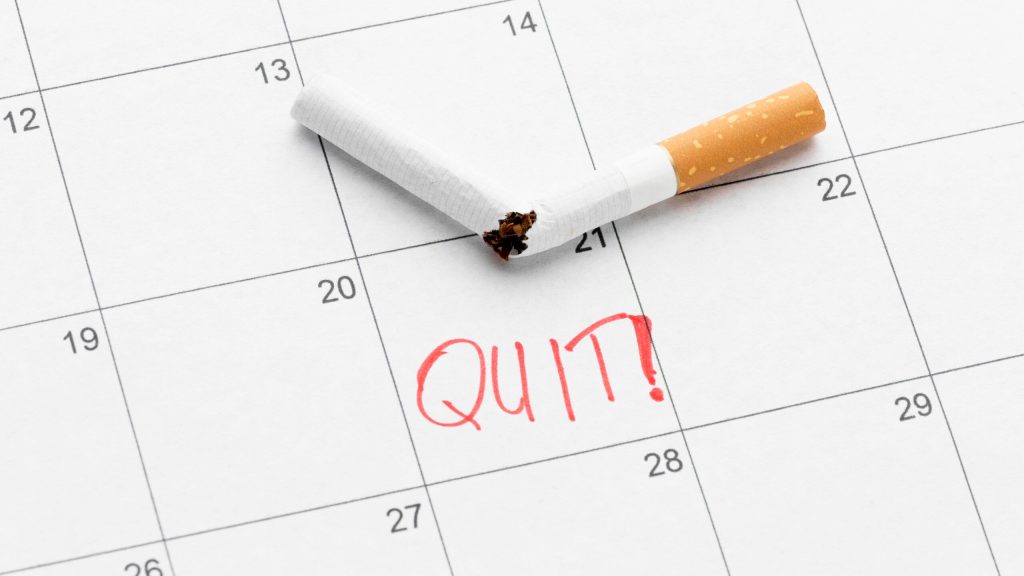
Set a Quit Date
Choosing a fixed date helps mentally prepare for the change.
Identify Triggers
Recognise situations that increase the urge to smoke and plan healthier alternatives.
Stay Physically Active
Exercise helps reduce cravings and improves mood naturally.
Seek Medical Support
Professional guidance, counselling, and nicotine replacement therapies can make quitting easier.
Eat Healthy
A balanced diet supports recovery and improves overall wellbeing.
Stay Motivated
Remember the long-term benefits for your lungs, heart, family, and quality of life.
The Benefits Go Beyond Physical Health
Quitting smoking also improves mental health, confidence, energy levels, and financial wellbeing. Many people experience better sleep, healthier skin, fresher breath, and improved stamina after quitting tobacco.
Most importantly, stopping smoking protects not only the smoker but also family members from the harmful effects of passive smoking.
World No Tobacco Day – May 31
Every year, May 31 is observed as World No Tobacco Day to raise awareness about the harmful effects of tobacco use and encourage people to quit smoking. The day serves as a reminder that even small steps toward quitting can lead to major health improvements and a longer, healthier life.
If you or your loved one is struggling with smoking-related health concerns, early medical guidance can make the quitting journey safer and more successful.
Hande Hospital is also pleased to welcome Dr. Koushik, who has recently joined the team as Chief Pulmonologist. With specialised expertise in respiratory and lung health, Dr. Koushik will help patients manage smoking-related complications, vaping-related lung concerns, and provide the right guidance and treatment for better long-term health.
You can contact Hande Hospital by calling 9841011390 or emailing handehospital@yahoo.com for expert consultation and support for smoking-related health issues.
Early consultation and expert care at Hande Hospital can help identify smoking-related complications early and guide you toward a healthier, tobacco-free future.