Gynecomastia Surgery in Chennai
- Home
- Gynecomastia Surgery in Chennai
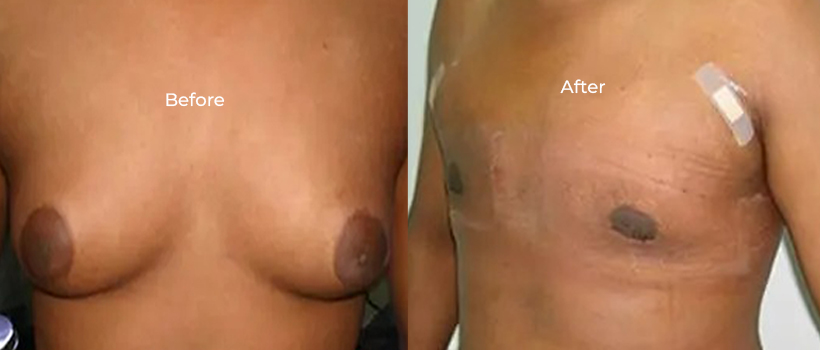
Gynecomastia Treatment in Chennai at Hande Hospital
Gynecomastia is enlarged breast tissue in men. It can show up on one side or both, and often brings chest fullness, tenderness, discomfort, or just makes someone feel self-conscious about how they look.
Patients coming to Hande Hospital for gynecomastia treatment in Chennai start with a one-on-one consultation and a clinical exam; nothing gets recommended before that. Dr. Krishna Hande and his team look at the tissue itself, the skin, overall health, and what the patient actually wants out of treatment.
From there, treatment might mean liposuction, removing glandular tissue, or a bit of both, depending on what’s driving the enlargement.
Gynecomastia Surgery at Hande Hospital
Gynecomastia surgery is also known as male breast reduction and reduces excess fat, glandular tissue, or both from the chest.
Which technique gets used comes down to the patient:
- Liposuction: works when the enlargement is mostly extra fat.
- Glandular tissue removal: needed when the tissue itself is firm and has to come out.
- Combined approach: liposuction plus tissue removal, used when both fat and glandular tissue are present.
An exam decides the recommended procedure. Not everyone needs the same treatment.
Consultation with Dr. Krishna Hande
Dr. Krishna Hande, MS, FRCS (Edin), MCh (Plastic Surgery), FMMC, leads gynecomastia care at Hande Hospital along with the hospital’s surgical and medical team.
He works as a General, Plastic and Cosmetic Surgeon at Hande Hospital and Hande Medical Centre, with a practice that covers:
- Gynecomastia correction
- Liposuction
- Abdominal contouring
- Hair transplantation
- General and cosmetic surgery
During the consultation, he and his team talk through the patient’s concerns, medical history, and what outcome they’re hoping for. They’ll also figure out whether the enlargement comes mainly from fat, glandular tissue, or both.
Patients walk away knowing what the recommended procedure involves preparation, recovery, follow-up, before they decide anything.
Who May Consider Gynecomastia Surgery?
Adults dealing with chest enlargement that hasn’t gone away on its own, or after treating whatever’s causing it, may be candidates for surgery.
Things the doctor looks at include:
- Type and amount of chest tissue
- General health
- Weight stability
- Skin elasticity
- Any related medical conditions
- Medication history
- The patient’s expectations
Teenagers are often asked to wait and watch, since gynecomastia tied to puberty sometimes clears up on its own. Treatment only comes after a proper medical look.
Planning Gynecomastia Surgery in Chennai
Before the surgery, patients might need medical tests done, or be given specific instructions around food, medication, smoking, and alcohol.
The surgical team talks through the technique, anaesthesia, where incisions go, what recovery looks like, and how to take care of things afterwards. Where the incision sits depends on the procedure, though scars heal differently from person to person.
You can also read about liposuction treatment in Chennai and the other cosmetic surgery services that Hande Hospital offers.
Recovery After Gynecomastia Surgery
Swelling, bruising, and soreness are pretty normal right after surgery. A compression garment usually helps support the chest while it heals.
Getting back to work, exercise, or anything else depends on the procedure and how the individual recovers. Follow-up visits let the team track healing and adjust guidance as needed.
Sticking to the aftercare instructions and showing up for follow-ups makes a real difference.
Expected Results and General Risks
The point of gynecomastia surgery is a better-contoured, flatter male chest. How that turns out depends on the tissue, the skin, how healing goes, and the procedure itself.
Like any surgery, there’s a chance of swelling, bruising, discomfort, altered sensation, or scarring usually temporary. Dr. Krishna Hande covers the risks and what recovery involves during the consultation.
Gynecomastia Surgery Cost in Chennai
The cost of gynecomastia surgery depends on the treatment required, the amount and type of tissue, whether liposuction or tissue removal is needed, anaesthesia, investigations and postoperative care.
An accurate estimate can be provided only after a consultation and examination. Hande Hospital does not recommend a procedure solely on the basis of an online description or price.
Consult a Gynecomastia Surgeon in Chennai
Worried about enlarged chest tissue? Dr. Krishna Hande and the Hande Hospital team can take a look.
They’ll assess your situation and tell you honestly whether observation, further evaluation, or surgery makes sense for you.
Contact us to book a consultation with Dr. Krishna Hande and his team.
Frequently Asked Questions
What is gynecomastia?
It’s enlarged breast tissue in men it could be glandular tissue, fat, or both.
Is gynecomastia treated with liposuction?
Yes, when fat is the main issue. If the tissue is firm and glandular, it usually needs to be removed surgically, and some patients need both done together.
Who performs gynecomastia surgery at Hande Hospital?
Dr Krishna Hande, MS, FRCS (Edin), MCh (Plastic Surgery), FMMC, handles gynecomastia treatment, supported by the hospital’s surgical and medical team.
How long does recovery take?
It depends on the procedure and the person. The team will tell you when it’s safe to get back to work, exercise, and daily life.
Can gynecomastia return after surgery?
Not usually; removed tissue tends to stay gone. But big weight swings, hormonal changes, certain medicines, or steroid use could still cause issues later.
Will gynecomastia surgery leave scars?
Every surgery leaves some kind of scar. Where it sits depends on the technique, and how it heals varies from person to person something the surgeon will walk you through beforehand.
Are tests required before gynecomastia treatment?
Possibly blood work, imaging, or other evaluation, depending on your symptoms and what the exam shows.
This information is for general awareness and does not replace an individual medical consultation. Treatment recommendations and recovery vary according to clinical evaluation.